
 Pin it
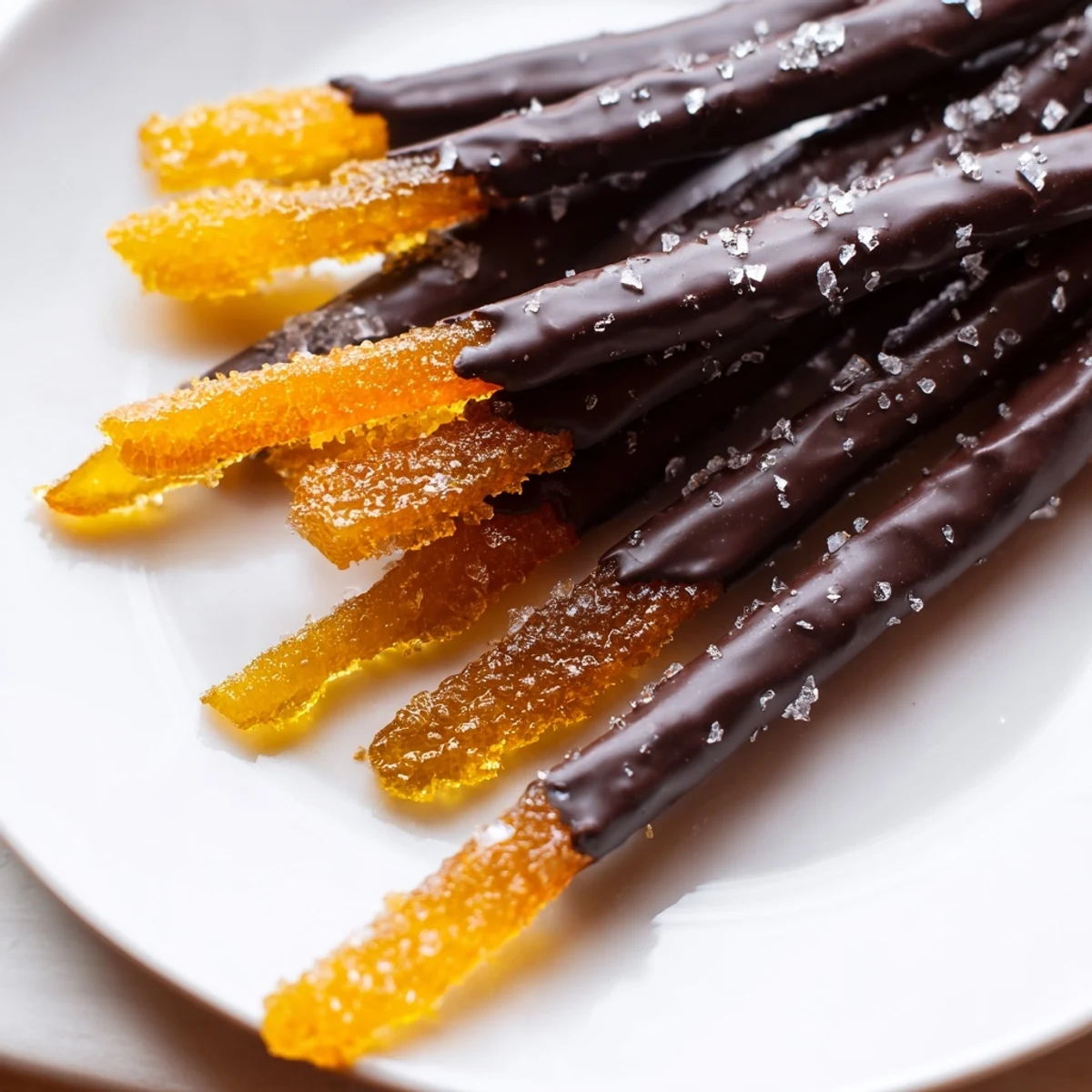
 These chocolate covered orange peels transform simple citrus into an elegant confection. Fresh orange peels are blanched to remove bitterness, then slowly simmered in sugar syrup until translucent and tender.
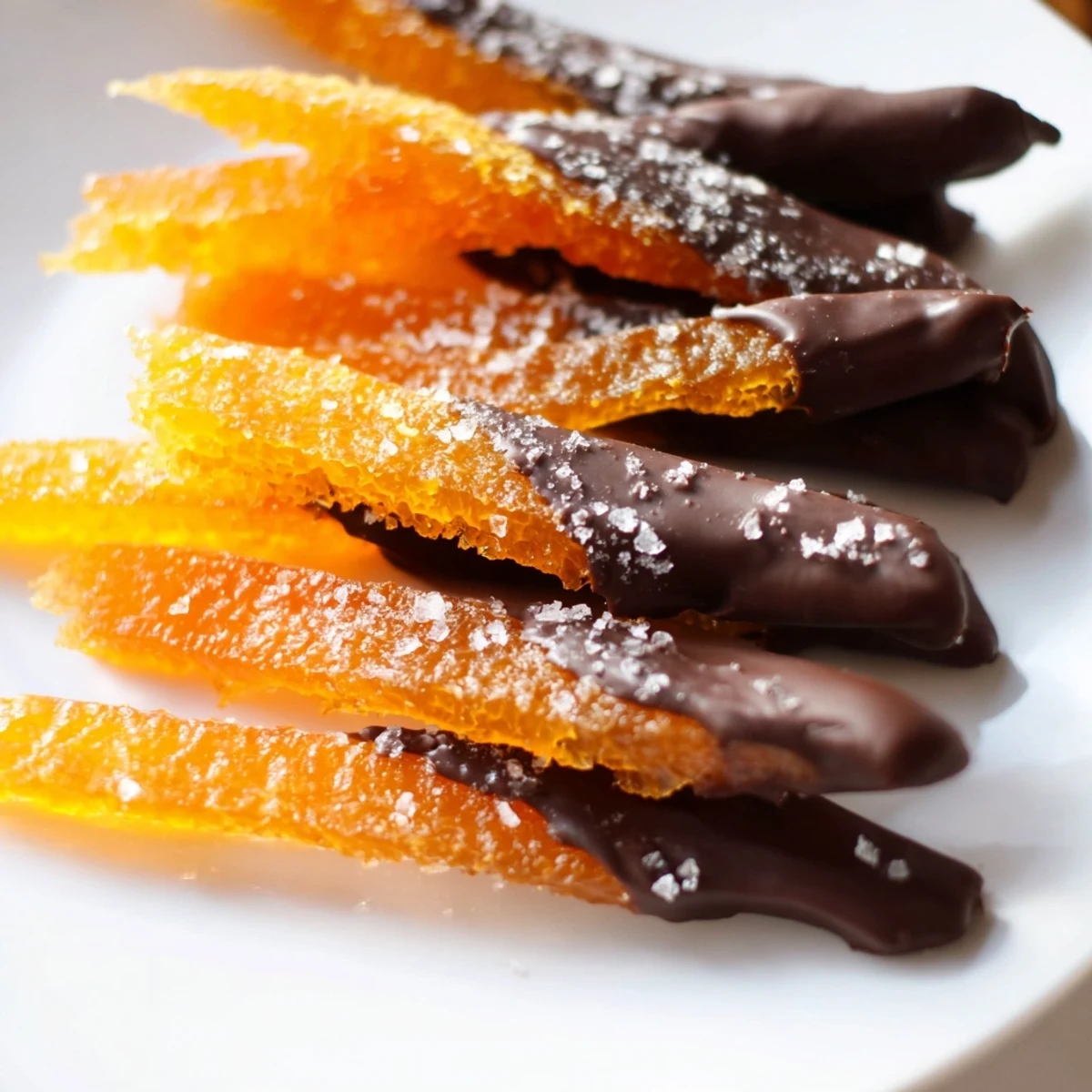
Once dried, each candied strip is dipped halfway into melted dark chocolate and left to set. A sprinkle of flaky sea salt adds a satisfying contrast. The result is a chewy, zesty center encased in a crisp chocolate shell — perfect for gifting, holiday dessert boards, or a refined afternoon treat.
The smell of oranges boiling in sugar syrup is one of those things that stops you mid sentence. My friend Lena walked into the kitchen while I was making these and stood there, eyes closed, just breathing it in. She said it smelled like a Christmas market in Cologne, and honestly she was right. That memory is burned into my brain every single time I make these chocolate covered orange peels now.
I made a double batch one December and packed them into small kraft boxes for everyone at my office. People kept asking which artisan shop I bought them from, and I just smiled and changed the subject. That tiny secret felt almost better than the candy itself.
Ingredients
- 3 large oranges: Use thick skinned navels or Valencias if you can find them because thinner peels tend to fall apart during the long simmer.
- 1 cup granulated sugar: Plain white sugar works best here since brown sugar would muddy the clarity of the syrup.
- 1 cup water: Just enough to dissolve the sugar and give the peels room to swim.
- 200 g dark chocolate: Spring for something above 60 percent cocoa because the bitterness balances the candied sweetness perfectly.
- Flaky sea salt: Totally optional but a few crystals on top elevate these from homemade to unforgettable.
Instructions
- Prep the oranges:
- Scrub the oranges well under running water, then score the peel from stem to navel in four vertical cuts. Peel off the quarters carefully, aiming to keep a thin layer of white pith since it helps the strips hold their shape.
- Cut into strips:
- Slice each peel quarter into strips roughly half a centimeter wide. Try to keep them uniform so they finish candying at the same rate.
- Blanch three times:
- Cover the strips with cold water in a saucepan, bring to a rolling boil for two minutes, then drain completely. Repeat this two more times because each round pulls out more of the harsh bitterness that would otherwise ruin the finished candy.
- Simmer in syrup:
- Dissolve the sugar in the water over medium heat, then slide in the blanched peels and let them poach gently for forty minutes. You will know they are ready when they look slightly translucent and the kitchen smells unbelievable.
- Dry the peels:
- Lift the strips out with tongs and lay them on a wire rack over parchment paper. Give them at least an hour to drain and become tacky rather than wet, or the chocolate will not adhere properly.
- Melt the chocolate:
- Set a heatproof bowl over barely simmering water and stir the chocolate until it is completely smooth and glossy. Avoid getting even a drop of water in the bowl or the chocolate will seize into a grainy mess.
- Dip and finish:
- Dip each strip halfway into the chocolate, let the extra drip back into the bowl, and set it on fresh parchment. Sprinkle with flaky salt while the chocolate is still wet, then leave everything alone for thirty minutes until fully set.
 Pin it
 The first time I laid these out on a plate for a dinner party, the conversation actually paused. There is something about that shiny chocolate shell cracking into chewy, fragrant citrus that makes people close their eyes and go quiet.
Choosing the Right Chocolate
I learned the hard way that cheap chocolate ruins the whole project. Compound coating seems easier because it sets without tempering, but it tastes waxy next to the vibrant orange. Spend a little more on a bar you would happily eat on its own and you will taste the difference immediately.
Storage and Gifting
An airtight container at room temperature keeps these happy for a full two weeks. Avoid the fridge because condensation makes the chocolate bloom and the peels turn gummy. Layer them between sheets of parchment if you are stacking, and tuck a small box into your bag next time you visit someone.
Playing with Variations
Once you master the basic technique, the citrus world opens up beautifully. Grapefruit peels give a sharper, more adult bitterness, while lemon strips pair wonderfully with a dusting of powdered sugar instead of chocolate. Mix a few kinds together in one gift box for a genuinely stunning presentation.
- Try rolling the freshly candied strips in extra sugar before drying for a sparkly, old fashioned finish.
- A pinch of cayenne in the melted chocolate adds a sneaky warmth that people love but cannot quite identify.
- Always taste a strip after the final blanch to check if the bitterness is gone before you commit to the long simmer.
 Pin it
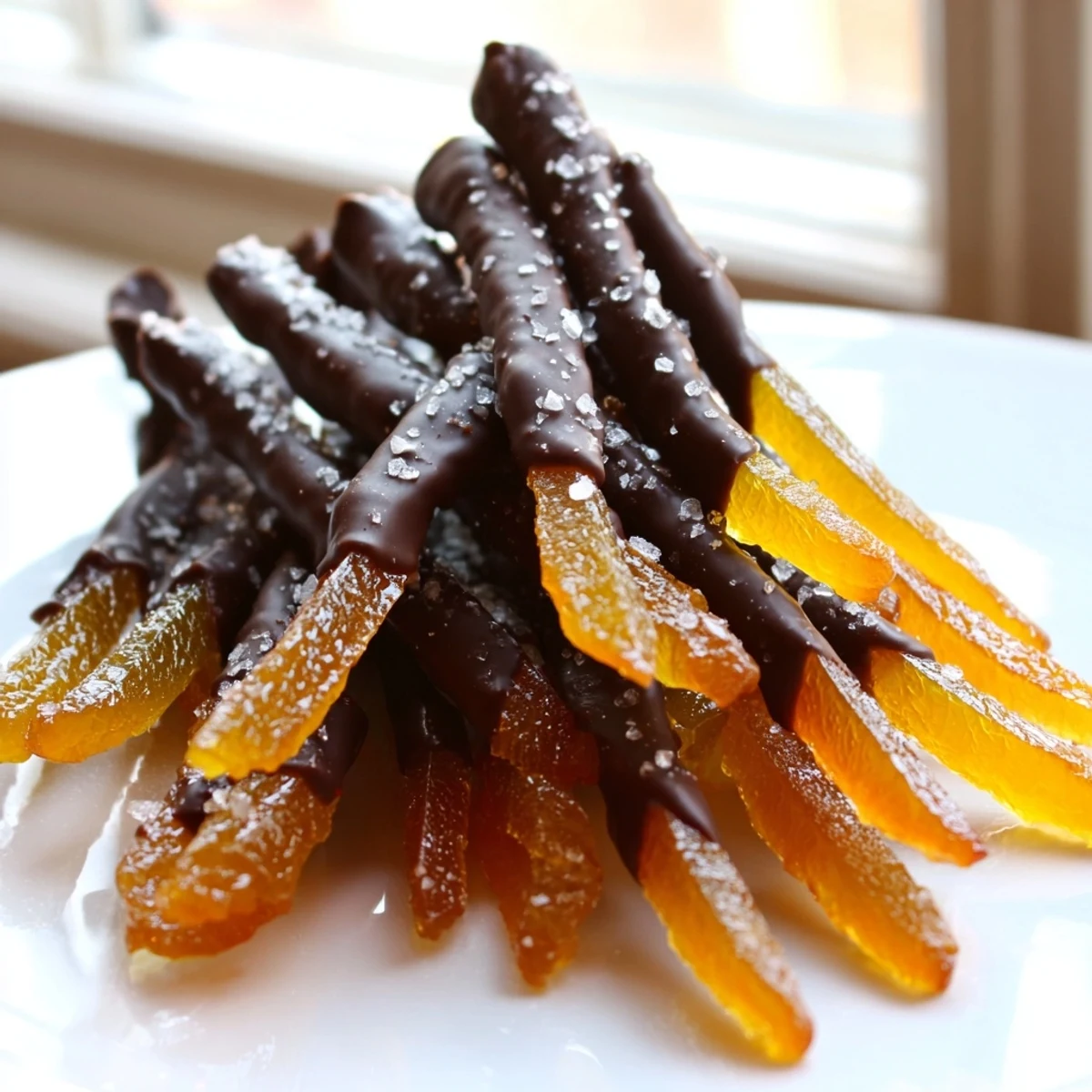
 These little strips of sunshine have a way of turning an ordinary afternoon into something that feels like a gift to yourself. Make them once and you will find yourself buying extra oranges every winter without even thinking about it.
Recipe FAQs
- → Can I use milk or white chocolate instead of dark chocolate?
-
Yes, you can dip the candied peels in milk or white chocolate. Keep in mind that milk chocolate will make the overall confection sweeter, so you may want to adjust the syrup concentration slightly. White chocolate pairs beautifully with the citrus flavor but is more delicate to work with.
- → How do I reduce the bitterness in the orange peels?
-
The key is blanching. Boil the peels in fresh water, drain, and repeat the process two to three times. This draws out the bitter compounds from the white pith. Using thinner strips also helps achieve a more tender, less bitter result.
- → What type of oranges work best for candied peels?
-
Thick-skinned navel oranges are ideal because they yield substantial peels with good flavor. Blood oranges add a beautiful hue, while Seville oranges offer a more traditional bitter-orange profile. Avoid thin-skinned varieties like Valencia, as they produce less peel to work with.
- → How should I store chocolate covered orange peels?
-
Store them in an airtight container at cool room temperature for up to two weeks. In warmer climates, refrigerate them in a sealed container, but allow them to come to room temperature before serving for the best texture and flavor.
- → Can I use other citrus fruits with this method?
-
Absolutely. Grapefruit, lemon, and tangerine peels all work well using the same candying and dipping process. Grapefruit peels offer a pleasantly bitter note, while lemon peels provide a brighter, more aromatic flavor. Adjust blanching times based on thickness.
- → Do I need to temper the chocolate for dipping?
-
Tempering is not strictly necessary but is recommended for a glossy finish and a firm snap. If you skip tempering, the chocolate will still taste delicious but may have a duller appearance and melt more easily at room temperature. A simple double boiler method works fine for home preparation.