
 Pin it
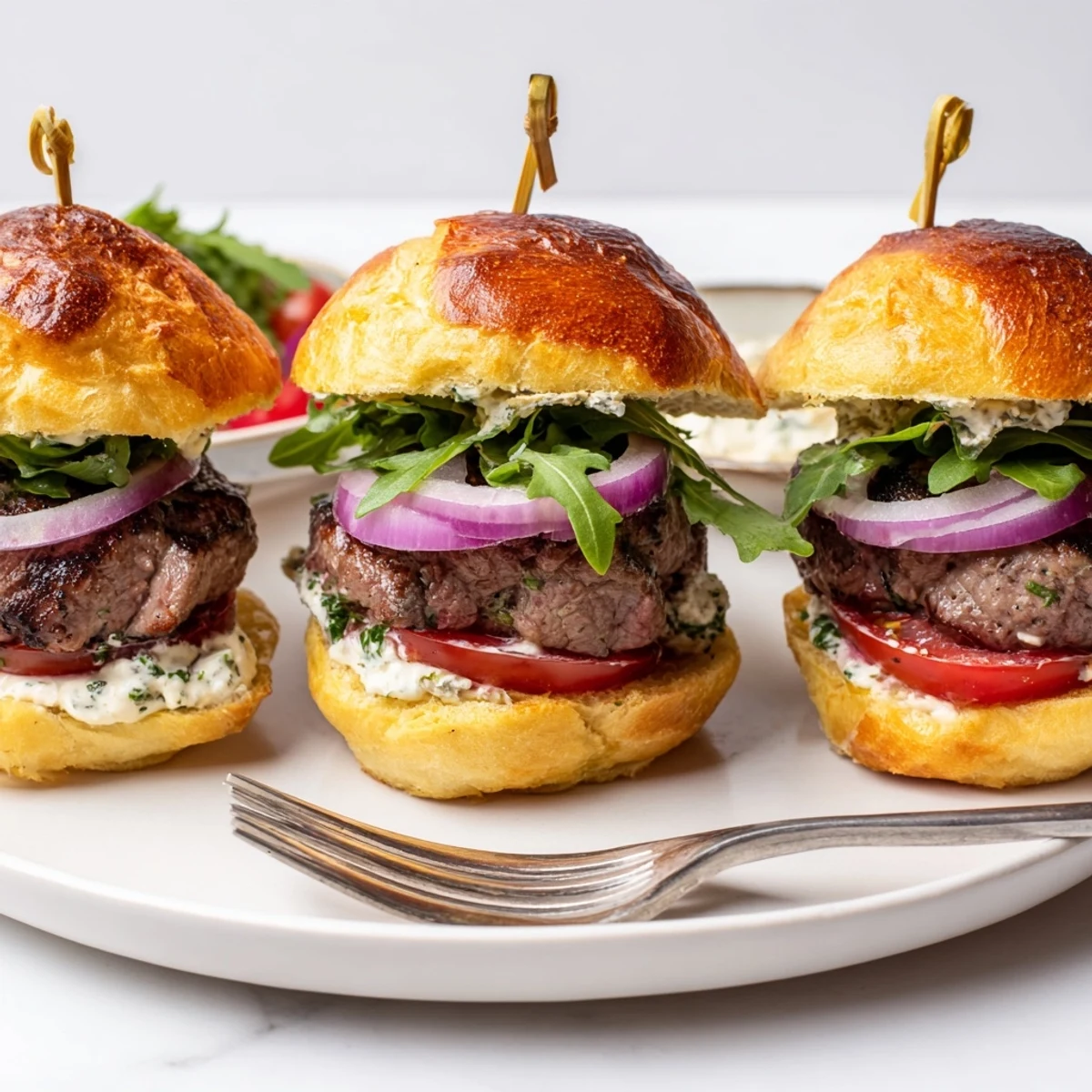
 These filet mignon sliders elevate the classic slider into something truly special. Each one features a tender, perfectly seared filet mignon medallion seasoned simply with salt and pepper, letting the quality of the beef shine through.
The garlic parmesan brioche rolls are brushed with a buttery mixture of minced garlic, fresh parsley, and grated parmesan, then baked until golden and fragrant. Topped with peppery arugula, sliced tomatoes, red onion, and an optional drizzle of horseradish cream, these sliders bring together rich, fresh, and tangy flavors in every bite.
Ready in under an hour, they're ideal for dinner parties, holiday appetizers, or any occasion that calls for something a little luxurious.
The smell of garlic butter hitting warm brioche is enough to make anyone abandon their diet, and I learned that the hard way at a New Years Eve party where I planned these as appetizers but watched guests devour them before the main course even made it out of the kitchen. Filet mignon sliders feel indulgent without being fussy, which is exactly the energy you want when feeding a crowd that expects something special. They take under an hour from start to finish and disappear even faster.
I made these for my brothers engagement party, standing in a cramped kitchen with one cast iron skillet and a timer I kept forgetting to check. Every time a batch came out perfectly medium rare, someone would steal one off the plate before I could even arrange the toppings, and by the end of the night I had made three extra rounds.
Ingredients
- 8 small brioche or slider buns: Brioche adds a subtle sweetness and richness that standard buns simply cannot match, so seek them out if you can.
- 4 tbsp unsalted butter, melted: Unsalted gives you control over the salt level, and you want it fully melted but not browned.
- 3 cloves garlic, minced: Fresh garlic only, and mince it finer than you think necessary so it melts into the butter without burning.
- 1/4 cup freshly grated parmesan cheese: Pre grated parmesan coated in cellulose will not crisp the same way, so grate it yourself from a block.
- 1 tbsp fresh parsley, finely chopped: Flat leaf parsley has more flavor than curly, and a fine chop keeps it from getting caught in your teeth.
- Pinch of sea salt: Just a pinch on the rolls, since the parmesan already brings plenty of saltiness.
- 1 1/2 lbs filet mignon, cut into 8 medallions: Ask your butcher to cut them evenly so they all cook at the same rate, about two ounces each.
- 1 tbsp olive oil: A high smoke point oil is essential for getting a good sear without setting off your kitchen alarm.
- 1 tsp kosher salt and 1/2 tsp freshly ground black pepper: Season the meat generously on both sides right before it hits the pan.
- 1/2 cup arugula or baby greens: Arugula adds a peppery bite that cuts through the richness of the beef and butter beautifully.
- 1 medium red onion, thinly sliced: Slice it paper thin so the raw bite does not overpower the delicate filet.
- 2 roma tomatoes, sliced: Romas have less moisture, which keeps the bottom bun from turning soggy.
- 1/4 cup horseradish cream or aioli (optional): This is optional in name only, because the creamy heat it adds transforms the whole slider.
Instructions
- Prep the oven:
- Heat your oven to 375 degrees Fahrenheit and line a baking sheet with parchment paper so nothing sticks and cleanup is effortless.
- Make the garlic butter:
- Stir together the melted butter, minced garlic, chopped parsley, sea salt, and parmesan in a small bowl until it looks like a fragrant, chunky paste.
- Prepare the rolls:
- Slice each bun in half and brush the cut sides generously with the garlic butter mixture, then set them on the baking sheet cut side up and shower with a little extra parmesan if you are feeling bold.
- Bake until golden:
- Slide the tray into the oven for seven to nine minutes, watching closely at the end because the line between golden perfection and charred regret is about sixty seconds.
- Season the filet:
- Pat each medallion completely dry with paper towels and season both sides with kosher salt and pepper, because moisture is the enemy of a proper crust.
- Sear the medallions:
- Heat olive oil in a heavy skillet over medium high heat until it shimmers, then sear each medallion for two to three minutes per side for medium rare, turning only once so you get a deep, even sear.
- Let the meat rest:
- Transfer the medallions to a plate and let them rest for five minutes so the juices redistribute instead of running out onto your cutting board.
- Build the sliders:
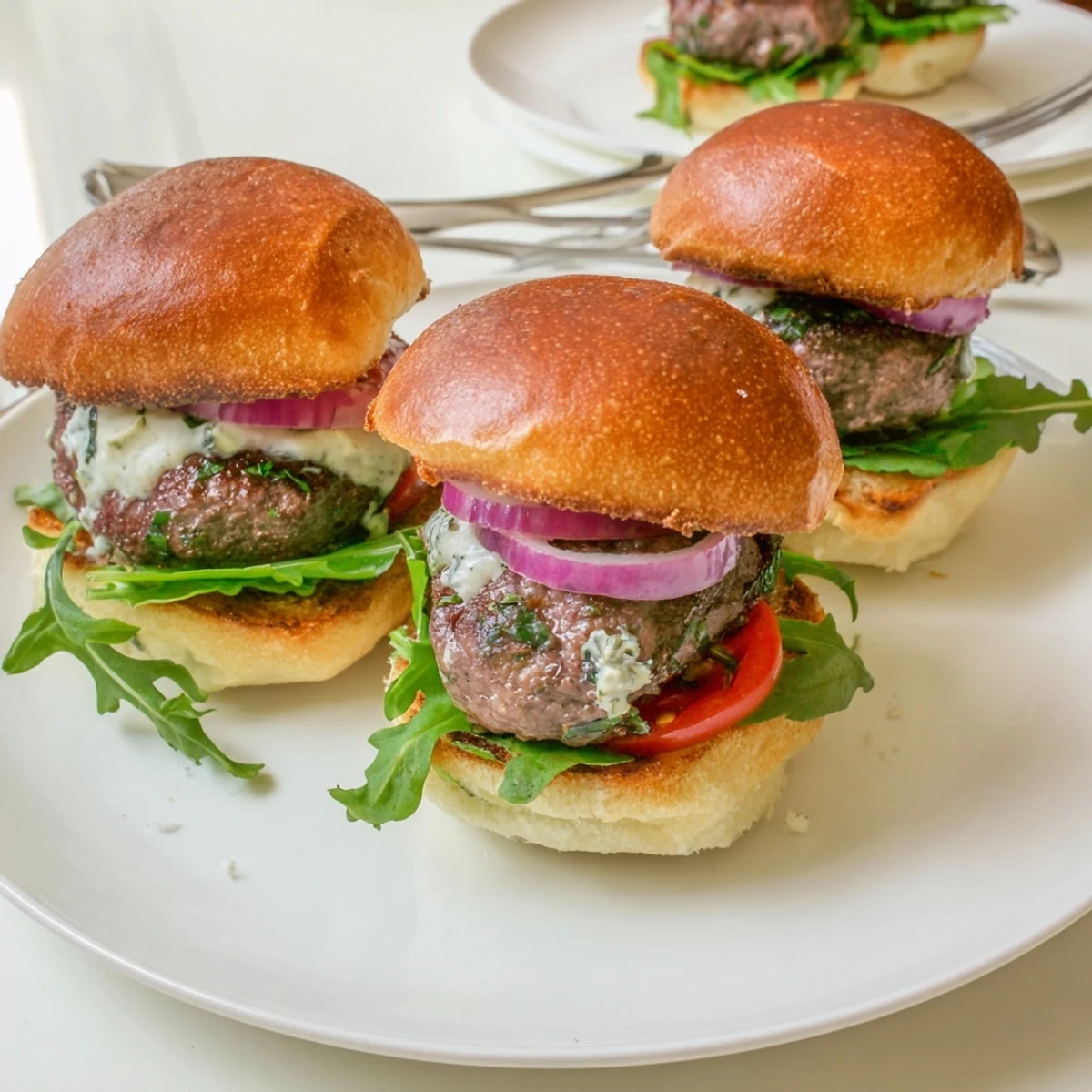
- Layer arugula on each bottom bun, crown it with a filet medallion, tuck on a tomato slice and some red onion, drizzle with horseradish cream if using, and press the top bun down gently.
 Pin it
 There is something deeply satisfying about watching a tray of these disappear at a party, knowing you turned a simple cut of beef and a handful of rolls into something people will ask you to bring to every gathering from now on.
Serving Suggestions That Actually Work
A glass of Pinot Noir beside these sliders is a pairing that just works, with enough acidity to cut through the butter and enough fruit to complement the beef. If you are serving a larger crowd, set out a platter with extra toppings and let people build their own, which turns dinner into an experience.
Making It Work On A Budget
Filet mignon is a splurge, and there is no shame in swapping it for sirloin or tenderloin when the grocery bill starts to sting. The garlic parmesan rolls and horseradish cream do so much heavy lifting that most people will not even notice the difference.
Getting Ahead Of The Chaos
You can bake the rolls hours ahead and warm them in a low oven right before serving, which is a lifesaver when your kitchen is full of guests and your stovetop is already juggling three things at once.
- Keep the sliced onion in ice water for ten minutes to mellow its bite if serving to a crowd with sensitive palates.
- Blue cheese crumbles on top are a polarizing move, but the people who love blue cheese will never forget you for it.
- Serve these within ten minutes of assembly, because a cold slider is a sad slider.
 Pin it
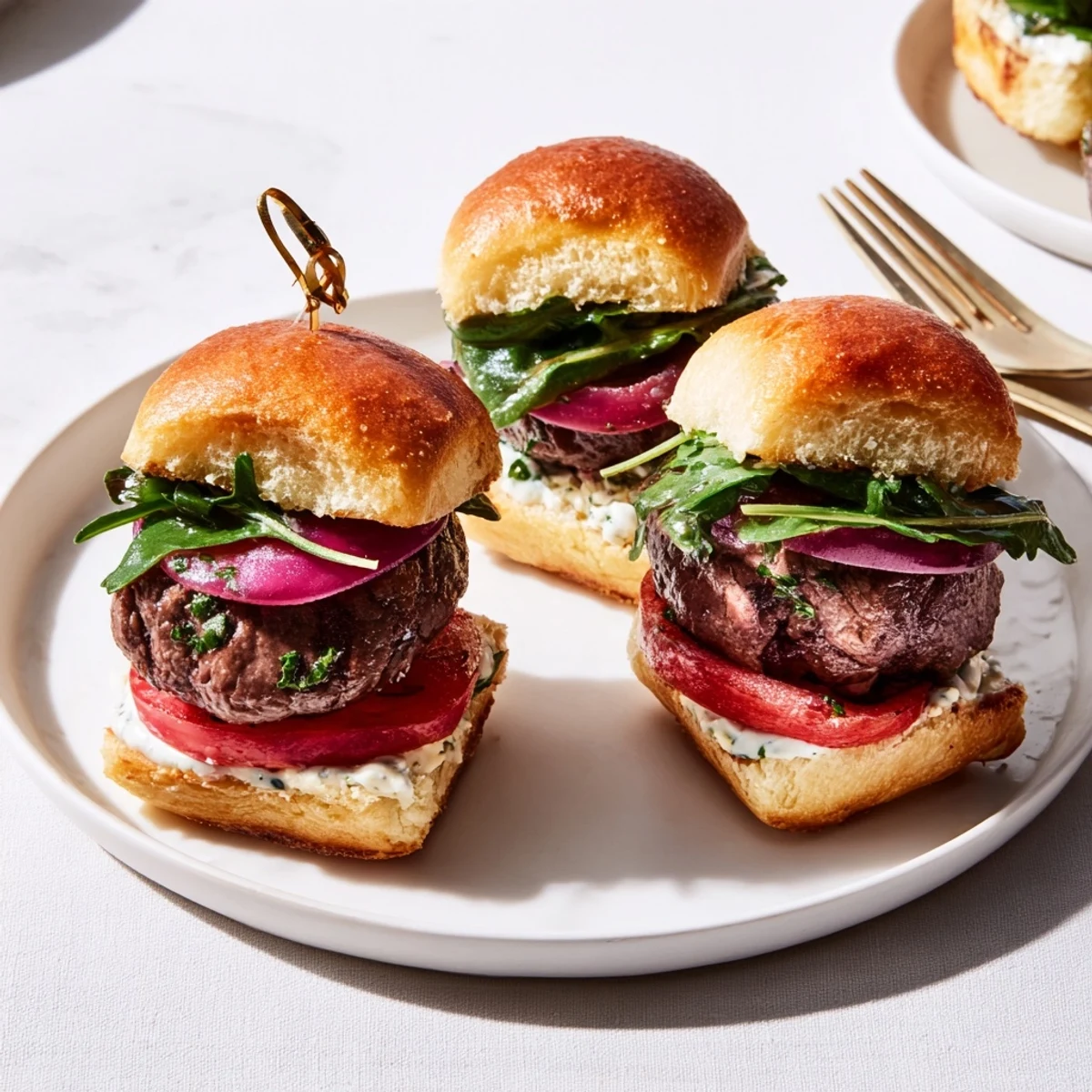
 These sliders have a way of turning an ordinary evening into something worth remembering, one garlicky, buttery, perfectly seared bite at a time.
Recipe FAQs
- → How should I cook the filet mignon for medium doneness?
-
For medium doneness, sear the filet mignon medallions for approximately 4 minutes per side in a hot skillet with olive oil. Use a meat thermometer to confirm the internal temperature reaches 140°F (60°C). Let the meat rest for 5 minutes before assembling the sliders so the juices redistribute evenly.
- → Can I prepare the garlic parmesan rolls ahead of time?
-
Yes, you can prepare the garlic parmesan rolls up to a day in advance. Bake them as directed, let them cool completely, and store them in an airtight container. When ready to serve, warm them in a 300°F oven for about 5 minutes to restore their golden crispness and buttery aroma.
- → What cut can I substitute for filet mignon?
-
Sirloin or beef tenderloin are excellent budget-friendly alternatives to filet mignon. Both cuts sear beautifully and remain tender when cooked properly. For the best results, cut the substitute into uniform 2-ounce medallions so they cook evenly and fit neatly inside the slider buns.
- → What toppings pair well with these sliders?
-
Arugula, sliced roma tomatoes, and thin red onion rings are the classic pairings, but you can also add blue cheese crumbles, caramelized onions, sautéed mushrooms, or a smear of horseradish cream. The peppery bite of arugula and the creamy kick of horseradish complement the richness of the beef especially well.
- → What wine pairs best with filet mignon sliders?
-
A light red wine such as Pinot Noir is an ideal match for filet mignon sliders. Its earthy undertones and bright acidity complement the buttery, savory flavors without overpowering the delicate taste of the filet. A Cabernet Sauvignon or Merlot would also work beautifully if you prefer a fuller-bodied option.
- → How do I store leftover sliders?
-
Store leftover sliders by separating the filet medallions from the rolls and refrigerating each in airtight containers for up to 2 days. Reheat the beef gently in a skillet over low heat and warm the rolls in the oven before reassembling. This prevents the buns from becoming soggy and keeps the meat tender.