
 Pin it
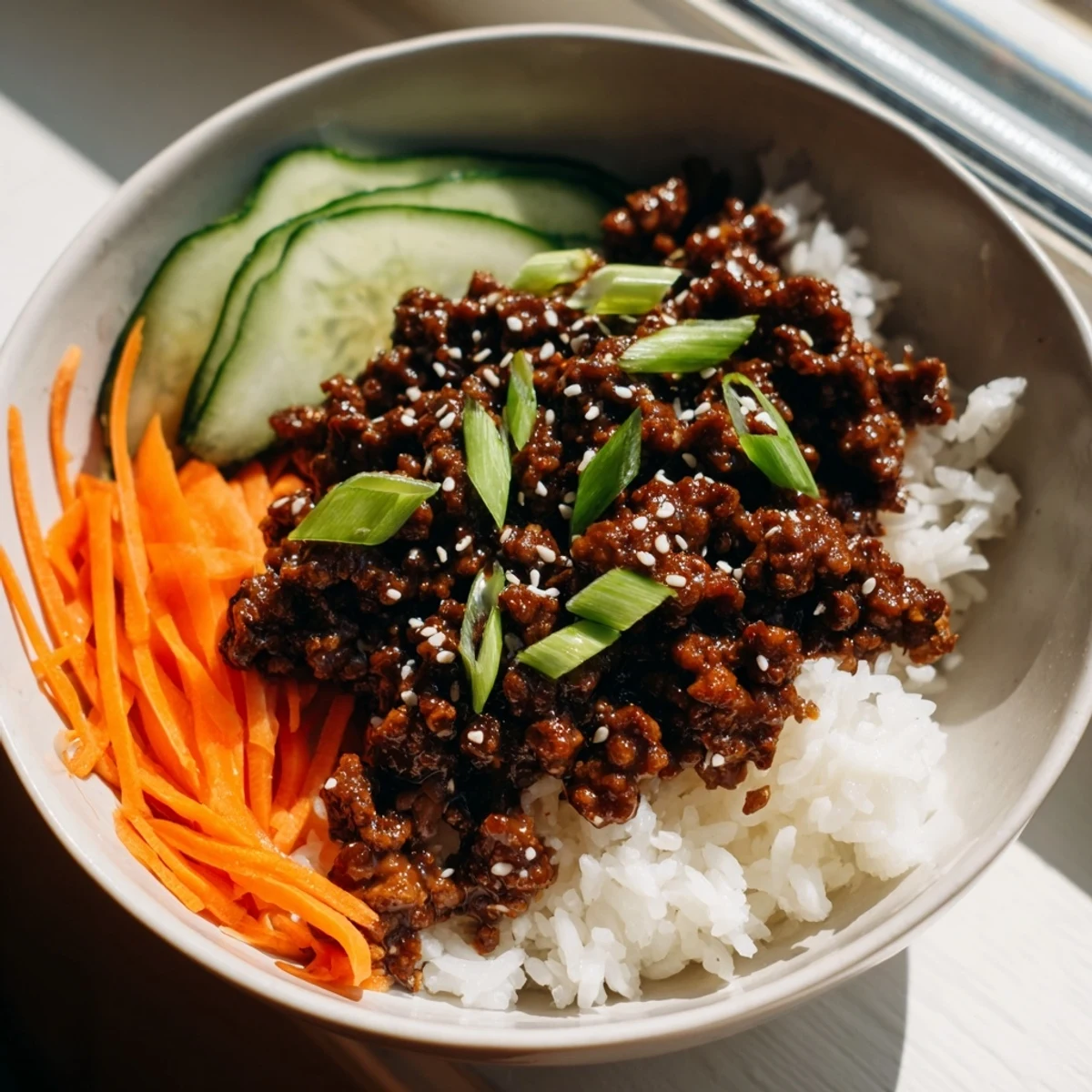
 These Korean beef bowls combine lean ground beef with a sweet and spicy sauce featuring soy sauce, brown sugar, sesame oil, garlic, ginger, and gochujang. Serve over steamed jasmine rice with crisp julienned carrots, refreshing cucumber slices, and scallions for a complete meal that comes together in under 30 minutes.
The first time I made Korean beef bowls, my kitchen smelled like sesame and garlic for days afterward and I didn't even mind. My roommate kept wandering in asking what I was cooking, then hovering around the stove until I finally offered her a bowl. Now it's our go-to when we need something that feels special but actually takes less than thirty minutes from start to finish.
Last Tuesday I was starving after work and threw this together using ground turkey instead of beef because that's what I had. My partner took one bite and asked if we could put this in the regular dinner rotation, which is basically the highest compliment they give any meal.
Ingredients
- 500 g lean ground beef: The fat content here keeps everything juicy, but drain the excess if you're watching your oil intake
- 60 ml low-sodium soy sauce: Regular soy sauce makes this dish way too salty, so trust me on this one
- 2 tbsp light brown sugar: This balances the savory elements and creates that gorgeous caramelized coating on the beef
- 1 tbsp sesame oil: Toasted sesame oil is non-negotiable here for that authentic Korean flavor profile
- 4 garlic cloves, minced: Fresh garlic makes such a difference compared to the jarred stuff
- 1 tbsp freshly grated ginger: I use a microplane and never peel it first, life's too short
- 1 tbsp gochujang: This Korean chili paste adds depth and just enough heat without overwhelming everything
- 2 tsp rice vinegar: A little acid cuts through the rich beef and sesame flavors
- 300 g jasmine rice: Short-grain rice works too, but jasmine has that beautiful floral aroma
- 2 medium carrots, julienned: The crunch against the tender beef is everything
- 1 small cucumber: Thinly sliced adds a fresh element that lightens the whole bowl
- 4 scallions: Both the white and green parts bring different kinds of oniony goodness
- 2 tbsp toasted sesame seeds: These add texture and make everything look restaurant-worthy
Instructions
- Get your rice going first:
- Rinse the rice under cold water until it runs clear, then combine it with 480 ml water in a saucepan. Bring to a boil, reduce to a simmer, cover, and let it cook undisturbed for 12 to 15 minutes until all the water is absorbed. Fluff gently with a fork and keep it covered until you're ready to assemble.
- Whisk together the sauce:
- In a small bowl, combine the soy sauce, brown sugar, sesame oil, minced garlic, grated ginger, gochujang, and rice vinegar. Whisk until the sugar has completely dissolved and everything is smooth. Set it aside and let the flavors hang out together for a bit.
- Cook the beef:
- Heat a large skillet over medium-high heat and add the ground beef. Use a spatula to break it up into smaller pieces as it cooks, letting it get nicely browned all over, about 5 minutes. Drain off any excess fat if there's a lot pooling in the pan.
- Add the sauce:
- Pour the sauce mixture over the browned beef and stir to coat everything evenly. Let it cook together for another 2 to 3 minutes until the sauce has thickened slightly and the beef looks glossy and coated.
- Assemble the bowls:
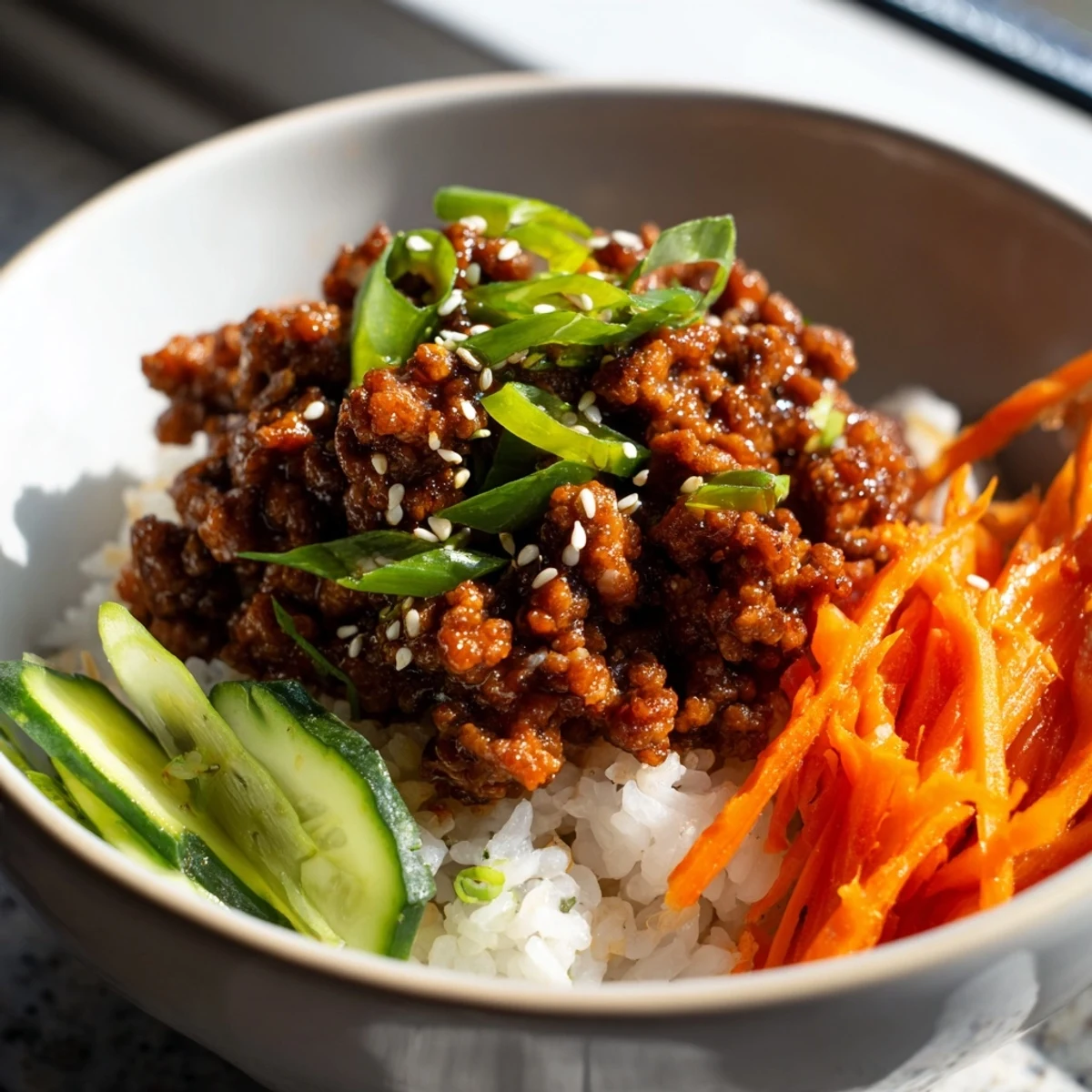
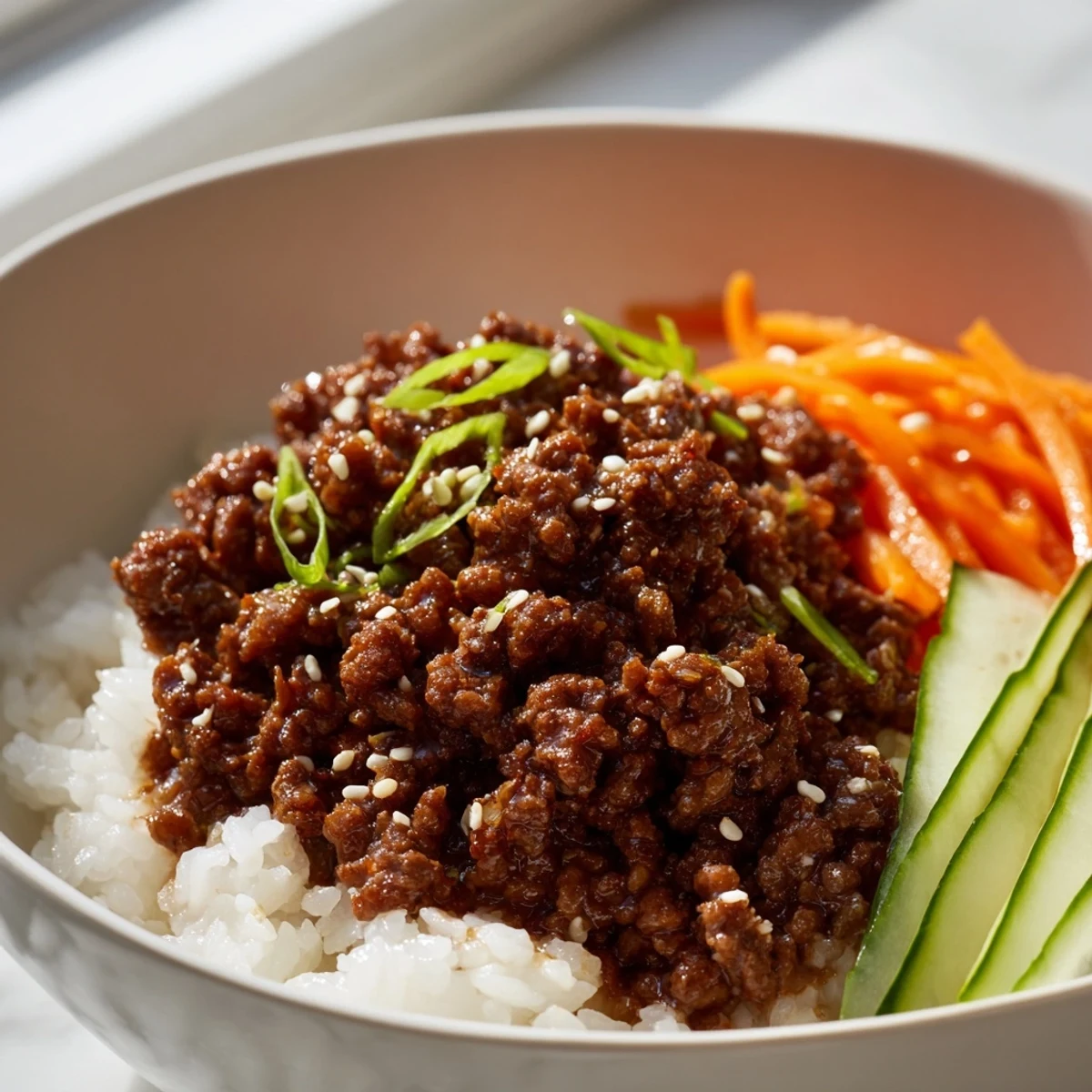
- Divide the steamed rice among four bowls and top each with a generous portion of the beef mixture. Arrange the carrots, cucumber, scallions, and sesame seeds on top and add any optional toppings you like.
 Pin it
 My friend came over for dinner last month and said this reminded her of the beef bowls she used to get in Seoul during her study abroad days. We ended up sitting at the table for hours talking about travel and food and how the simplest meals often hold the strongest memories.
Making It Your Own
Sometimes I swap in ground turkey or chicken when I want something lighter, and tofu actually works beautifully if you crumble it and let it get really crispy in the pan before adding the sauce. The sauce is versatile enough that it makes anything taste amazing.
Prep Ahead Strategy
You can julienne the carrots and slice the cucumber up to two days in advance if you store them in separate containers in the fridge. The sauce also keeps well in a jar in the refrigerator for about a week, so I sometimes double it and use half later in the week.
Perfect Pairings
A chilled glass of Riesling cuts through the richness beautifully, or go with cold green tea if you want something non-alcoholic. The slight sweetness in both beverages complements the savory beef without competing with it.
- Add a fried egg on top for extra protein
- Quick-pickled radishes add another layer of flavor
- Extra kimchi never hurt anybody
 Pin it
 There's something deeply satisfying about a bowl that hits every flavor and texture note in one go. Hope this becomes one of those recipes you turn to again and again.
Recipe FAQs
- → What cut of beef works best for these bowls?
-
Lean ground beef is ideal as it cooks quickly and absorbs the flavorful sauce. You can also substitute ground turkey, chicken, or tofu for a lighter variation.
- → Can I make these bowls spicy?
-
Adjust the heat level by adding more gochujang or red pepper flakes. Start with a small amount and taste as you go—the sauce builds flavor as it simmers with the beef.
- → What rice variety should I use?
-
Jasmine or short-grain white rice works beautifully. Both varieties offer fluffy texture and mild flavor that complements the bold Korean-style sauce perfectly.
- → Are these bowls meal-prep friendly?
-
Absolutely. Store the cooked beef and rice separately in airtight containers for up to 4 days. Reheat gently and add fresh toppings just before serving for best texture.
- → What other toppings can I add?
-
Fresh ideas include pickled vegetables, shredded lettuce, fried eggs, sliced avocado, or extra kimchi. These additions add color, crunch, and complementary flavors to your bowl.