
 Pin it
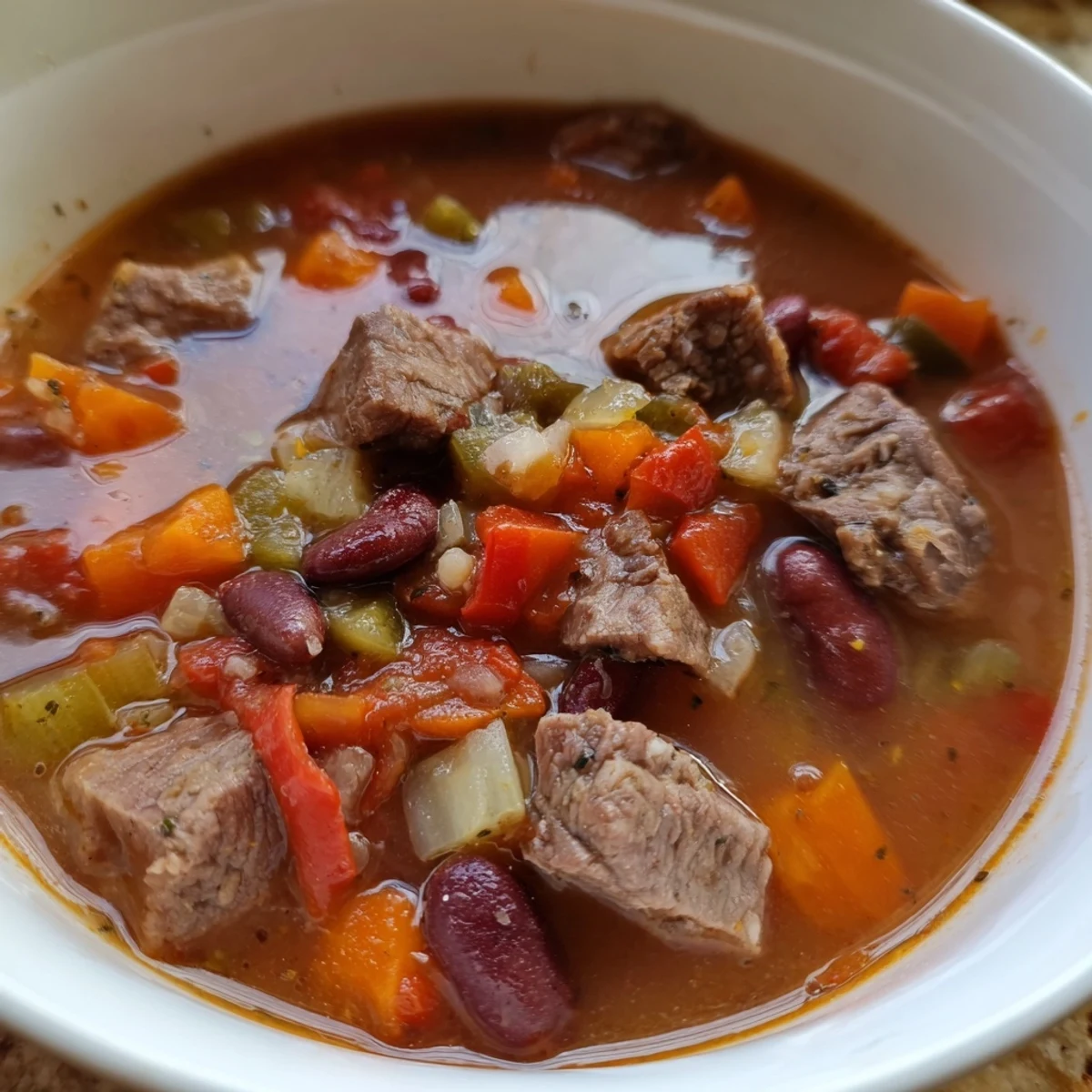
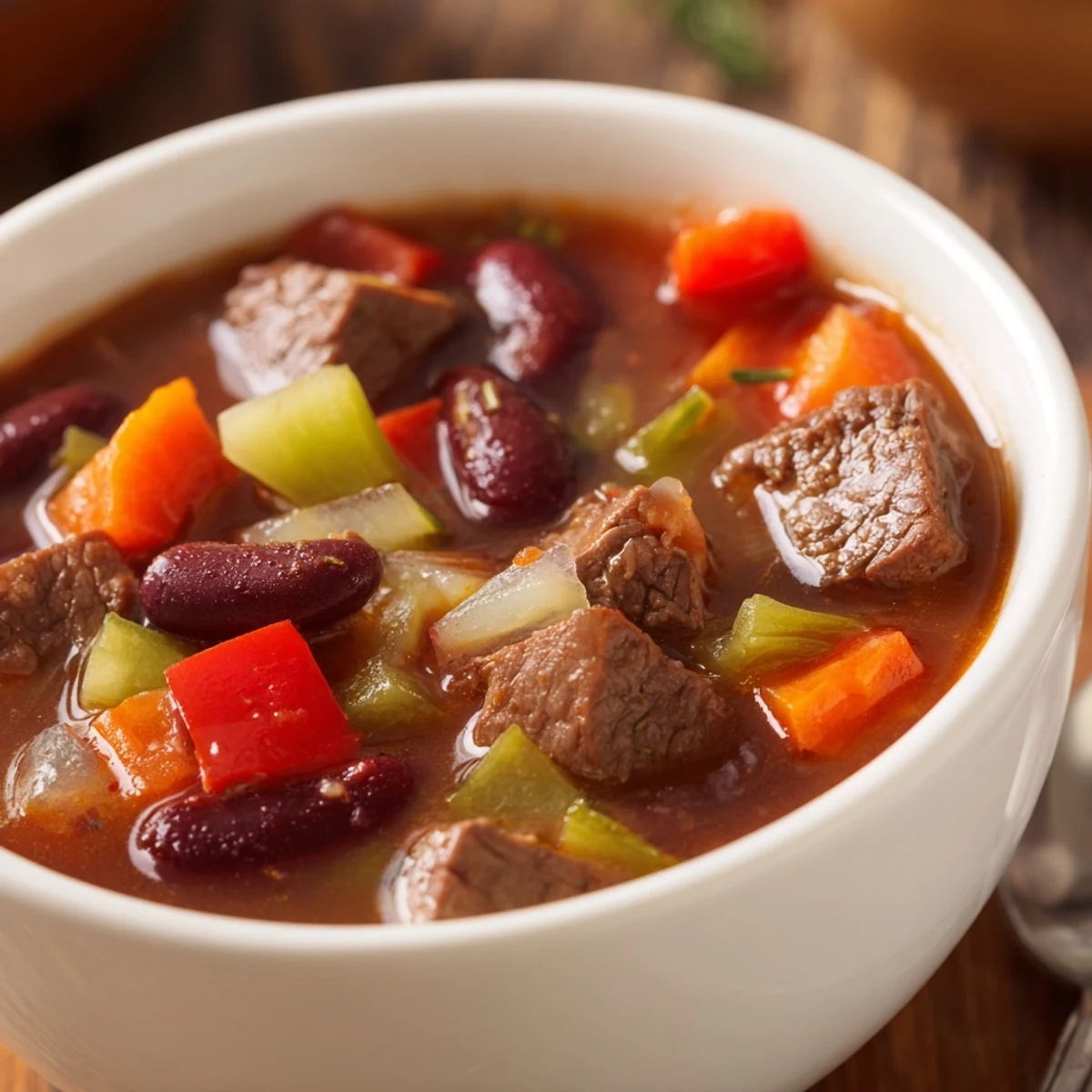
 This satisfying soup combines tender beef cubes with kidney beans, fresh vegetables, and aromatic spices for a deeply comforting meal. The smoked paprika and cumin create warming depth, while the slow simmer allows flavors to meld beautifully. Perfect for meal prep, this soup develops even richer flavors overnight and stores exceptionally well for quick lunches throughout the week.
The screen door slammed shut behind me on a gray October afternoon, and all I wanted was something that would make the kitchen feel alive again. This beef and bean soup did exactly that, filling every corner with a deep, savory warmth that made the chill outside feel intentional. I had grabbed stew meat on impulse at the butcher, not yet knowing it would become the backbone of my favorite cold weather ritual. Two hours later, bowls were empty and the recipe was scribbled onto a stained index card.
My neighbor Dave wandered over the second time I made this, drawn by the smell drifting through the hallway of our apartment building. He stood in the doorway holding a loaf of bread he had clearly grabbed in a hurry, and we ate standing at the counter, ladling seconds directly from the pot without bothering to sit down.
Ingredients
- Beef stew meat (450 g): Cut it into uniform one inch cubes so everything cooks evenly and you never bite into a tough chunk.
- Olive oil (2 tablespoons): A good quality oil makes a noticeable difference when browning the beef.
- Onion (1 large): Finely chopped onion melts into the broth and creates a sweet, savory base you cannot rush.
- Garlic (2 cloves): Minced fine and added early, it perfumes the entire pot from the very first saute.
- Carrots (2 medium): Peeled and sliced into rounds, they add gentle sweetness and a pop of color against the dark broth.
- Celery (2 stalks): Diced small, celery brings an earthy freshness that balances the richness of the beef.
- Red bell pepper (1): Diced and stirred in after the initial saute, it adds a subtle sweetness and vibrant flecks throughout.
- Diced tomatoes (1 can, undrained): The juices go straight into the broth, so never drain them.
- Kidney beans (2 cans): Drained and rinsed well to remove the starchy liquid that can cloud your soup.
- Beef broth (1.5 liters): The foundation of every spoonful, so use a brand you genuinely enjoy drinking on its own.
- Tomato paste (2 tablespoons): This concentrated hit of umami is what makes the broth taste like it reduced for hours.
- Worcestershire sauce (1 tablespoon): A quiet powerhouse ingredient that rounds out every flavor in the pot.
- Smoked paprika (1 teaspoon): This is the secret weapon that gives the soup its campfire warmth without any actual smoke.
- Dried oregano (1 teaspoon): An earthy, herbal note that ties the spices together without overpowering them.
- Ground cumin (1/2 teaspoon): Just enough to add a warm, barely there undertone that keeps people guessing.
- Bay leaf (1): Drop it in whole and fish it out before serving, it does its work silently in the background.
- Salt and black pepper: Season at the very end so you can taste the fully developed broth first.
Instructions
- Brown the beef:
- Heat the olive oil in your largest soup pot over medium high heat until it shimmers, then add the beef cubes in a single layer without crowding. Let them sear undisturbed for about two minutes per side until a deep golden crust forms, then remove and set aside on a plate.
- Build the aromatics:
- In the same pot with all those flavorful beef bits stuck to the bottom, toss in the onion, garlic, carrots, and celery. Stir frequently for about five minutes until the onion turns translucent and your kitchen smells impossibly inviting.
- Add pepper and tomato paste:
- Stir in the diced bell pepper and tomato paste, cooking for two minutes until the paste darkens slightly and coats the vegetables. This quick step caramelizes the paste and unlocks a deeper, richer flavor.
- Bring it all together:
- Return the browned beef and any juices from the plate back into the pot, then pour in the diced tomatoes, beef broth, Worcestershire sauce, smoked paprika, oregano, cumin, and bay leaf. Stir everything gently and bring it to a full boil.
- Simmer and soften:
- Reduce the heat to low, cover the pot, and let it simmer peacefully for forty minutes while the beef becomes tender and the flavors marry. Give it an occasional stir and adjust the heat if it starts boiling again.
- Add beans and finish:
- Stir in the drained kidney beans and continue simmering uncovered for fifteen more minutes so the broth thickens slightly around the softened vegetables. The soup is ready when the beef yields easily to a fork and the broth coats the back of a spoon.
- Season and serve:
- Taste the broth carefully and add salt and pepper until it sings, then remove and discard the bay leaf before ladling into warm bowls.
 Pin it
 There was a night last winter when the power went out during a storm and I heated leftover bowls of this soup on the gas stove by candlelight. My roommate and I sat on the kitchen floor eating in silence, and somehow the soup tasted even better than the first time around.
Storage and Leftovers
This soup is one of those rare dishes that genuinely improves after a night in the refrigerator, as the beef continues to absorb the broth and the spices settle into something deeper and more cohesive. Store it in an airtight container for up to four days, and reheat gently on the stove over medium low heat rather than using a microwave, which can toughen the beef. I usually make the full batch even when cooking for two, specifically because the leftovers are the real prize.
Making It Your Own
Once you have the base dialed in, this soup welcomes improvisation beautifully and forgivingly. A pinch of red pepper flakes transforms it into something bolder and more assertive without changing the fundamental comfort factor. You can swap kidney beans for pinto or black beans depending on what the pantry offers, and each variation shifts the personality of the bowl just enough to keep things interesting. Topping each serving with freshly chopped parsley or a drizzle of good olive oil right at the end adds a bright finish that the soup quietly appreciates.
Tools You Will Want Ready
A heavy bottomed soup pot is the single most important tool here because it distributes heat evenly and prevents scorching during the long simmer. Beyond that, keep a sturdy wooden spoon for stirring, a sharp chef knife for the vegetables, and a ladle ready for serving. Your cutting board will get a thorough workout with all the dicing and slicing, so clear enough counter space before you start.
- A large ladle makes serving feel graceful instead of messy.
- A wooden spoon will not scratch your pot and feels right for a soup like this.
- Remember to fish out that bay leaf before anyone finds it first.
 Pin it
 Some recipes become staples because they ask so little and give so much back, and this soup earns its place in any rotation without demanding perfection. All it really needs is a patient simmer and someone willing to wait by the pot.
Recipe FAQs
- → How long does this soup keep in the refrigerator?
-
This soup stores well for up to 4-5 days in an airtight container. The flavors actually deepen and improve after a day or two, making it excellent for meal prep.
- → Can I freeze this beef and bean soup?
-
Yes, this soup freezes beautifully for up to 3 months. Cool completely before transferring to freezer-safe containers, leaving some space for expansion.
- → What cuts of beef work best for this soup?
-
Chuck, round, or stew meat are ideal choices. These cuts become tender during slow cooking and add rich flavor to the broth.
- → How can I make this soup thicker?
-
Simmer uncovered longer to reduce liquid, mash some beans against the pot's side, or add a tablespoon of cornstarch mixed with water.
- → What vegetables can I add or substitute?
-
Potatoes, zucchini, green beans, or spinach make excellent additions. Feel free to use what's in season or your family's favorites.