
 Pin it
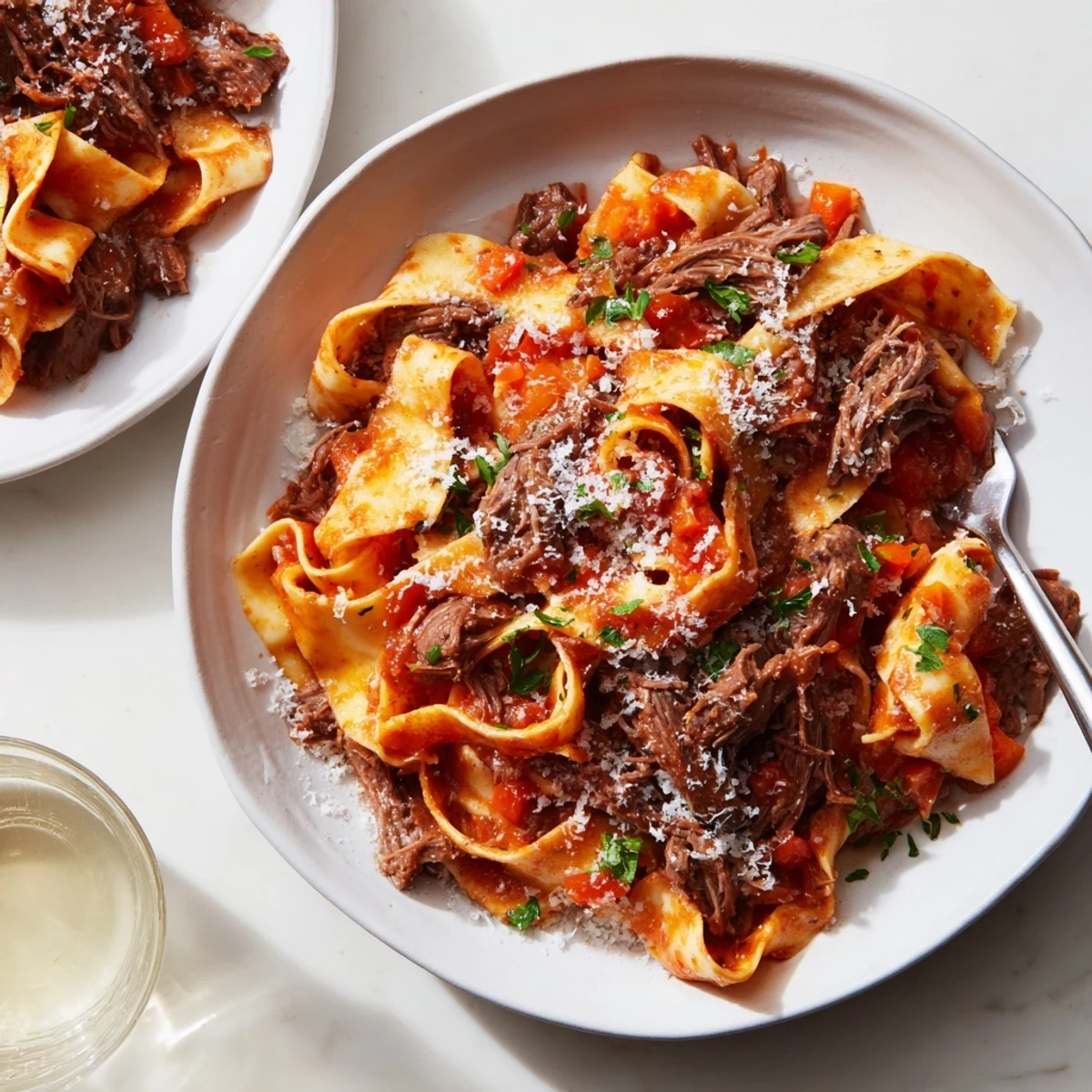
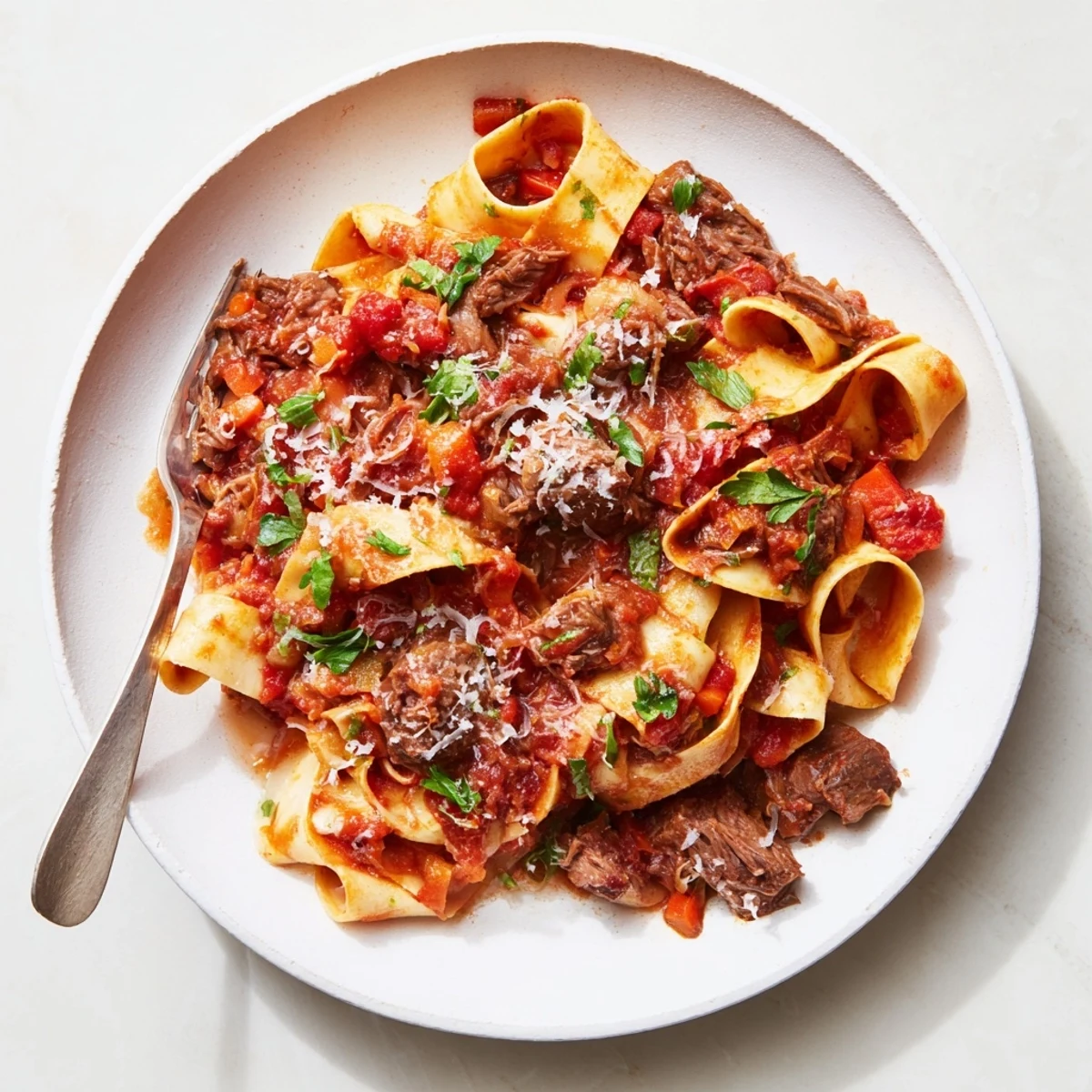
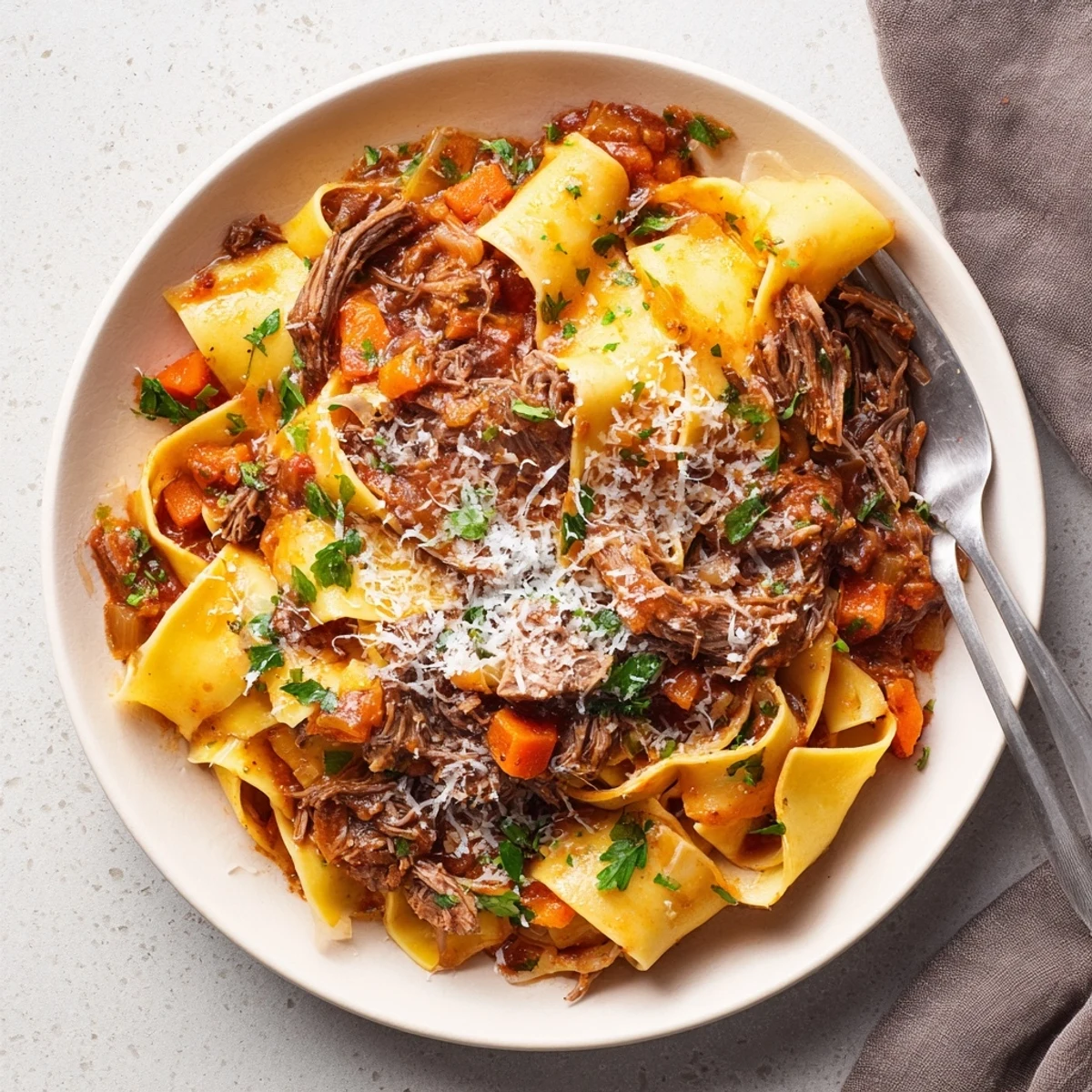
 This traditional Italian ragu transforms tough lamb shoulder into meltingly tender meat through slow braising. The process begins by searing seasoned lamb pieces until golden brown, building a foundation of deep, caramelized flavor. Aromatic vegetables—onion, carrot, celery, and garlic—create a classic soffritto base, while fresh rosemary, thyme, and bay leaf infuse the sauce with herbal notes.
Red wine deglazes the pot, lifting those precious browned bits from the bottom, then crushed tomatoes and broth join to create a luxuriously thick sauce. After nearly three hours of gentle simmering, the lamb falls apart effortlessly, ready to be shredded back into the rich reduction. The wide ribbons of pappardelle catch every bit of the hearty sauce, while aged Parmigiano-Reggiano adds a salty, nutty finish. This dish rewards patience—the longer it simmers, the more complex and comforting it becomes.
The first time I made lamb ragu, I underestimated how much the house would smell like an Italian grandmother's kitchen. My neighbor actually knocked on the door to ask what I was cooking, and I ended up sending her home with a container. That's the kind of dish this is.
I served this at my first dinner party in my new apartment, nervous about timing everything right. The ragu was bubbling away, filling every corner of the place with this comforting aroma that made everyone relax immediately. We ate around the table for hours, passing more cheese and wine, nobody wanting the night to end.
Ingredients
- 2 lbs lamb shoulder: Shoulder has the perfect fat content for slow cooking, becoming meltingly tender while adding incredible depth to the sauce
- Salt and pepper: Season generously before searing, as this creates the foundation of flavor that carries through the entire dish
- Olive oil: Use a good quality oil here since youre building layers of flavor from the very first step
- 1 large onion, 2 carrots, 2 celery stalks: This classic soffritto base creates the aromatic backbone of the ragu, so take your time chopping everything evenly
- 4 garlic cloves: Freshly minced garlic adds that aromatic punch, but dont let it brown or itll turn bitter
- Fresh rosemary, thyme, bay leaf: These herbs infuse the sauce with earthy notes that complement the lamb perfectly
- 1 cup dry red wine: The wine acidity cuts through the rich meat and adds complexity, so choose something youd actually drink
- 28 oz crushed tomatoes: Quality tomatoes matter here since theyre the body of your sauce, San Marzano if you can find them
- 1 cup beef or chicken broth: This adds another layer of savory depth and helps create that silky consistency
- 1 lb pappardelle: Those wide ribbons are perfect for catching every bit of the chunky sauce
- Parmigiano-Reggiano: The salty, nutty finish ties everything together, so dont skip it
Instructions
- Season and prep the lamb:
- Pat the meat completely dry with paper towels, then season generously with salt and pepper on all sides
- Sear the lamb:
- Heat oil in a Dutch oven until shimmering, then brown the lamb in batches without overcrowding, getting a deep crust on every side
- Build the base:
- Sauté onion, carrots, and celery until softened and fragrant, then add garlic for just one minute until aromatic
- Deglaze and simmer:
- Return lamb to the pot, add herbs, pour in wine while scraping up the browned bits, then simmer until reduced slightly
- Braise low and slow:
- Add tomatoes and broth, bring to a gentle bubble, then cover and cook at a bare simmer for up to 3 hours until lamb falls apart
- Shred and season:
- Remove herb stems, use two forks to shred the lamb right into the sauce, then taste and adjust seasoning
- Cook the pasta:
- Drop pappardelle into heavily salted boiling water and cook until just shy of al dente, saving some pasta water before draining
- Bring it together:
- Toss hot pasta with the ragu, adding splashes of pasta water until the sauce clings to every ribbon
 Pin it
 My brother called me midway through cooking his first batch, panicking that the sauce looked too thin. I told him to trust the process and check back in an hour. He texted later saying it was the best thing hed ever made, which is exactly how this recipe works.
Make It Ahead
This ragu actually improves with time, so I often make it a day ahead and let the flavors meld overnight in the refrigerator. The fat rises to the top and solidifies, making it easy to skim off if you want, though I usually leave it for extra richness.
Choosing The Right Wine
Ive used everything from expensive Barolo to table wine, and honestly, as long as its drinkable and dry, it works beautifully. The wine's character does come through subtly, so avoid anything overly oaky or sweet.
Serving Suggestions
A simple green salad with bright vinaigrette cuts through the richness perfectly, and crusty bread is non-negotiable for sopping up every last bit of sauce.
- Let the ragu rest for 10 minutes before tossing with pasta for better coating
- Save some pasta water even if you think you wont need it
- Pass extra Parmesan at the table, obviously
 Pin it
 There's something deeply satisfying about a dish that rewards patience and fills your home with such incredible aromas. This ragu has become my go-to for special occasions and Sunday suppers alike.
Recipe FAQs
- → What cut of lamb works best for ragu?
-
Lamb shoulder is ideal because its connective tissue breaks down during slow cooking, creating tender, succulent meat that shreds beautifully. The marbling ensures richness throughout the braising process.
- → Can I make this ragu ahead of time?
-
Absolutely. In fact, preparing the ragu a day ahead improves the flavor. The ingredients meld overnight, and any excess fat can be easily removed from the surface before reheating.
- → What pasta substitutes work well?
-
Tagliatelle, fettuccine, or wide ribbon noodles are excellent alternatives. Even short pasta like rigatoni or pappardelle's smaller cousin, maltagliati, will capture the thick sauce beautifully.
- → Why is red wine important in this dish?
-
Dry red wine adds acidity and tannins that balance the rich lamb and sweet tomatoes. It also deglazes the pan, incorporating those flavorful browned bits into the sauce for depth.
- → How do I know when the lamb is properly cooked?
-
The lamb should easily shred with a fork and offer no resistance. The sauce will have thickened considerably, coating the back of a spoon. This typically takes 2½ to 3 hours of gentle simmering.
- → Can I freeze the leftover ragu?
-
Yes, the ragu freezes exceptionally well for up to three months. Cool completely before transferring to airtight containers. Thaw overnight in the refrigerator and reheat gently with a splash of broth or pasta water.