
 Pin it
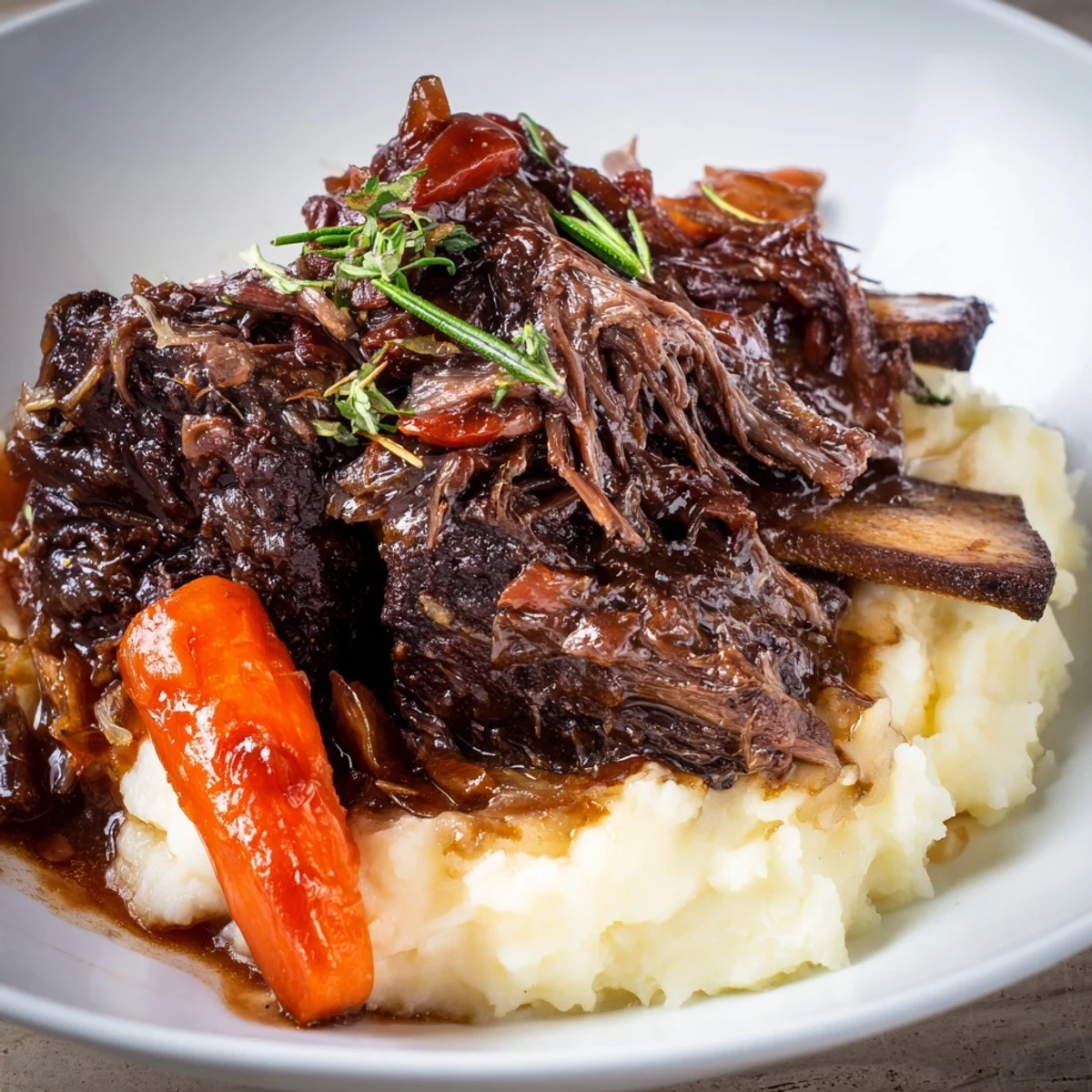
 Bone-in beef short ribs are seasoned, browned, then slow-cooked with red wine, beef broth, tomato paste, garlic, carrots, onions, celery, and fresh herbs for about 8 hours until the meat falls from the bone. Skim excess fat, discard herb stems, and optionally thicken the sauce with a cornstarch slurry. Marinate overnight for extra depth and serve with mashed potatoes, polenta, or crusty bread.
There’s an irresistible sound when a short rib sizzles against a hot skillet, a singe that always signals something hearty is on its way. I first stumbled into slow cooker beef short ribs on a cold weeknight, craving warmth but not the fuss of constant tending. The kitchen filled quickly with the urge of garlic and onion, teasing everyone home earlier than usual. Something low-and-slow transformed the wait into a kind of anticipation, where even time felt part of the secret.
One Sunday, I made these ribs when friends came over and caught more laughter than I’d expected—for all the right reasons. Everyone hovered in the kitchen mid-afternoon, curious about the extraordinary aroma claiming every corner. We ended up sharing stories while sneaking carrot slices out of the pot, warming up before the meal had even started. Somehow, those lazy, hungry hours together became the real highlight.
Ingredients
- Beef short ribs: Choose bone-in for the richest flavor; I learned quickly that meat close to the bone stays the juiciest during slow-cooking.
- Onion: Chopped onion lays a sweet, aromatic base and melts into the sauce—don’t skip the sautéing, it sweetens the whole dish.
- Carrots: Peeled and sliced, they tenderize beautifully and add a hint of earthy sweetness after soaking up the juices.
- Celery: These little slices bring subtle depth and a classic stew vibe; I try to cut evenly so nothing turns mushy.
- Garlic: I always go bold with garlic for warmth and complexity—mincing fine means it disappears smoothly into every bite.
- Beef broth: A solid, flavorful base; opt for low-sodium if you want more control over seasoning.
- Dry red wine: Adds robust body to the sauce (if using broth instead, the flavor stays round and mellow—I've swapped for kids and abstaining guests).
- Tomato paste: I stir it in for subtle tang and color, boosting depth without overpowering other flavors.
- Worcestershire sauce: Just a dash lifts everything with a savory, umami-rich undertone.
- Salt: Enhances every single ingredient; don’t be shy, but remember if your broth is salted go easy at first.
- Black pepper: A bit of freshness that cuts through the richer elements—freshly cracked is best.
- Fresh thyme: Those small leaves infuse a gentle herbaceous note—pull them out at the end for just-right flavor.
- Fresh rosemary: A few sturdy sprigs lend their piney aroma; I love how they stand up to long cooking without overpowering the pot.
- Bay leaves: They round out the sauce (don’t forget to fish them out before serving).
- Cornstarch and water (optional): Sometimes I thicken the sauce at the very end for a glossy, clingy finish that feels special.
Instructions
- Rub and season the ribs:
- Sprinkle salt and pepper generously on all sides of each rib, lightly pressing so the seasoning adheres—your hands will get messy, but it’s worth it.
- Sear for flavor:
- Heat your skillet until it’s nearly smoking, then brown the short ribs 2–3 minutes per side; listen for that satisfying sizzle and don’t rush—golden brown means better flavor.
- Sauté the vegetables:
- Add chopped onions, carrots, celery, and garlic to the skillet, letting them soften and pick up leftover meaty bits for about 3–4 minutes.
- Layer in the slow cooker:
- Transfer ribs and veggies into the slow cooker, nestling the ribs down so surrounding vegetables cradle them.
- Add liquids and aromatics:
- In a measuring cup, stir together beef broth, red wine, tomato paste, and Worcestershire; pour evenly over everything, then tuck in thyme, rosemary, and bay leaves.
- Slow cook to perfection:
- Cover and set to LOW for 8 hours—the house will fill with incredible warmth even before the meat becomes fall-apart tender.
- Finish the sauce:
- Open the lid, remove all herbs and bay leaves, then skim any visible fat; if you want a thicker sauce, mix cornstarch with water and stir in, letting it cook on HIGH for 10–15 minutes.
- Serve and savor:
- Spoon everything out—ribs, veggies, and that luscious sauce—onto a platter and serve hot, letting the moment linger as you dig in.
 Pin it
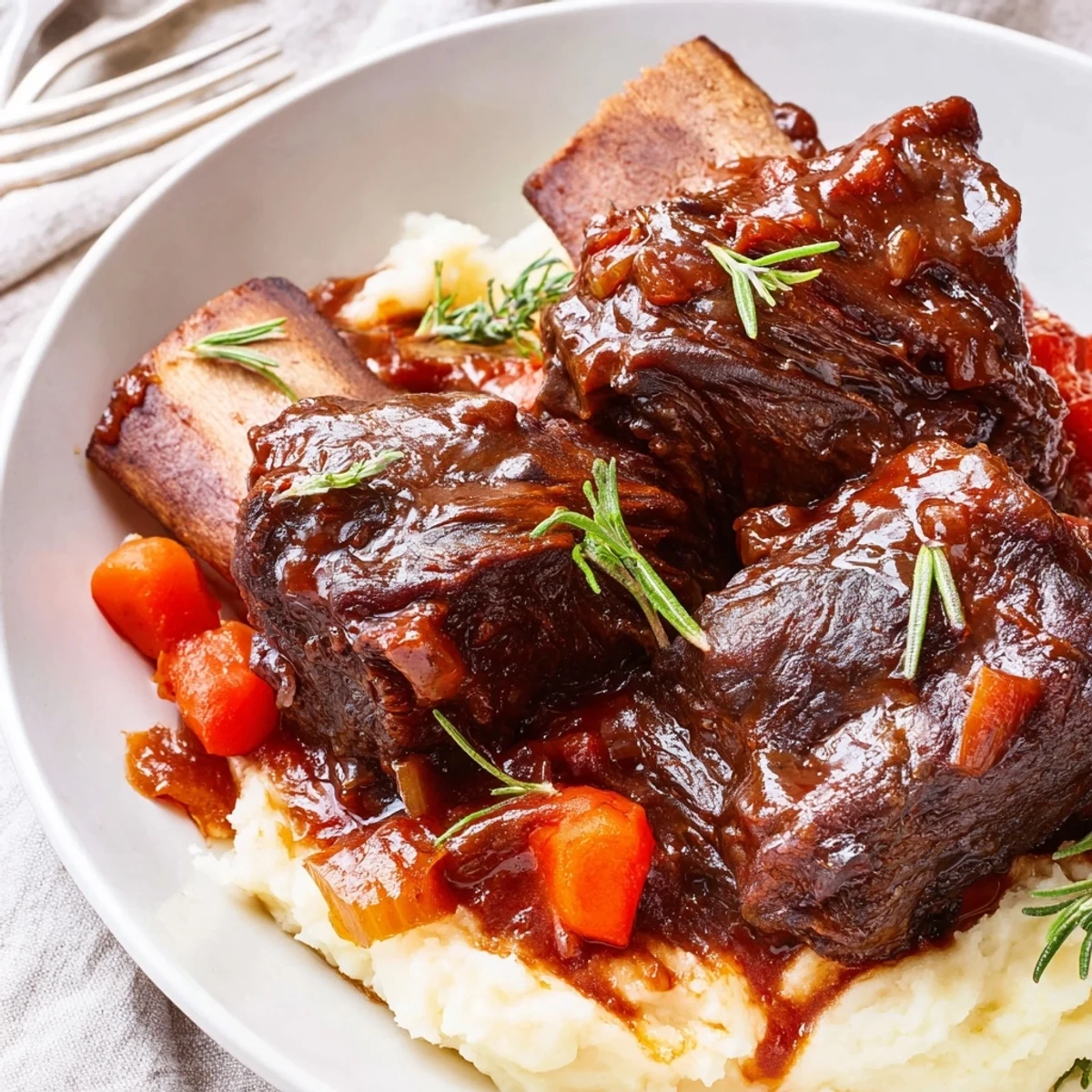
 I realized just how comforting these short ribs felt when my youngest quietly asked for seconds without saying a word—just passing me their plate, eyes wide. Sometimes good food becomes the language all on its own, saying welcome home louder than words.
The Secret to That Melt-in-Your-Mouth Texture
Patience is the unsung hero here—letting the ribs cook slow and undisturbed transforms them into something impossibly tender. You’ll want to check early, but trust me, waiting pays off with shreds of beef that won’t even need a knife.
Pairing It With Sides (and Wines)
Creamy mashed potatoes or velvety polenta catch every drop of sauce, making for the most satisfying bites. If you’re indulging, a bold Cabernet or a soft Merlot works wonders alongside the rich, deep flavors in the beef.
Making It Ahead and Leftover Magic
This dish is even better the next day after the flavors have mingled deeper overnight—the sauce thickens and makes weekday lunches a treat.
- Store leftovers in an airtight container and gently reheat to keep the meat moist.
- Try shredding the meat over pasta or tucked into sandwiches for a second meal.
- Don’t forget to freeze sauce cubes for an instant dinner upgrade down the line.
 Pin it
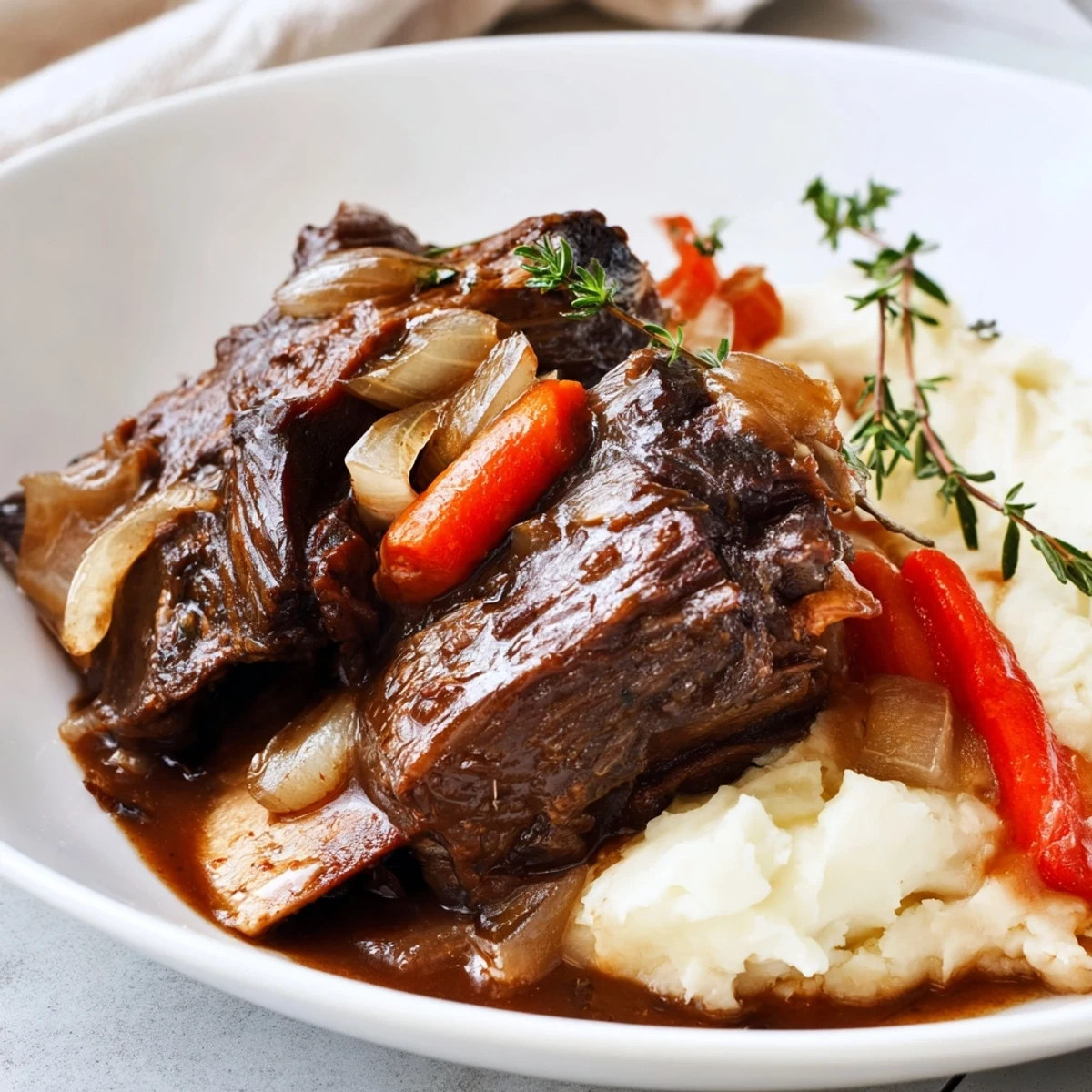
 May your kitchen fill with anticipation (and plenty of good smells) as these short ribs gently transform. No matter who gathers around your table, dinner will definitely slow everyone down for the right reasons.
Recipe FAQs
- → Why brown the short ribs before cooking?
-
Browning creates a caramelized crust that deepens flavor and enriches the cooking liquid. Sear on all sides in a hot skillet for 2–3 minutes per side before slow cooking.
- → Can I substitute the red wine?
-
Yes. Use additional beef broth or a mix of broth and a splash of balsamic vinegar for acidity. The wine adds complexity, but broth keeps the dish rich if you avoid alcohol.
- → How do I thicken the sauce?
-
Mix 2 tablespoons cornstarch with 2 tablespoons cold water, stir into the cooker, and switch to high for 10–15 minutes until thickened. Alternatively, reduce the sauce on the stovetop for a more concentrated flavor.
- → What side dishes pair best with the ribs?
-
Mashed potatoes, creamy polenta, or crusty bread are traditional choices that soak up the sauce. Roasted root vegetables or buttered egg noodles also complement the rich meat.
- → How should leftovers be stored and reheated?
-
Cool to room temperature, refrigerate in an airtight container for up to 3–4 days, or freeze for longer. Reheat gently on low heat or in a covered dish in the oven to preserve tenderness and sauce consistency.
- → Can I prepare this faster?
-
For a shorter cook, braise the browned ribs in a covered oven-safe pot at 325°F (160°C) for 2.5–3 hours, but slow-cooking low and long yields the most tender, pull-apart texture.