
 Pin it
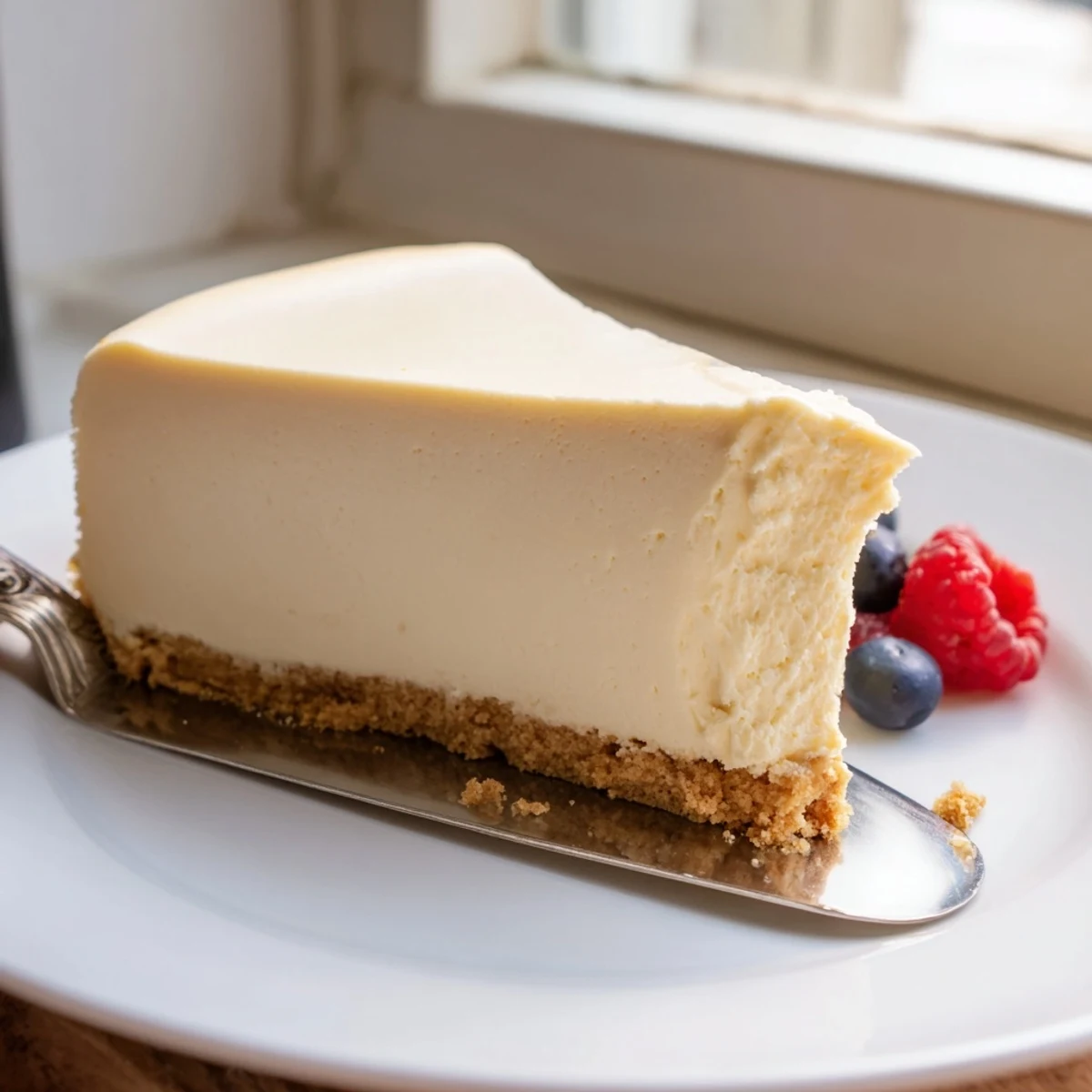
 This classic American baked cheesecake features a crunchy graham cracker crust pressed into a springform pan, topped with a luxuriously smooth cream cheese filling. The secret lies in beating the cream cheese until perfectly smooth, adding eggs gradually, and baking low and slow at 160°C for that flawless, crack-free finish.
After a gentle cool-down in the oven with the door cracked, the cheesecake chills overnight to develop its signature dense, creamy texture. An optional sour cream topping adds a pleasant tang that balances the richness beautifully.
The oven door had barely clicked shut when my apartment filled with that unmistakable buttery sweetness, and my roommate appeared in the kitchen doorway barefoot, asking if it was her birthday. It was a random Tuesday in March, no occasion at all, just a stubborn craving that pushed me to attempt cheesecake for the first time without my grandmothers handwritten card nearby. That wobbly, slightly cracked first attempt somehow tasted like victory, and I have been chasing that feeling ever since.
I brought this cheesecake to a friends potluck once and watched three people silently close their eyes after the first bite, which told me everything I needed to know. One of them later admitted she had been dreading dessert because she thought all homemade cheesecakes were dense and heavy, and she apologized to the slice on her plate.
Ingredients
- Graham crackers (200 g): Crush them finely but not into dust, because a little texture in the crust keeps each bite interesting.
- Unsalted butter (100 g, melted): This binds the crumbs together and gives the base that golden, toasty character.
- Sugar (2 tbsp for crust): Just enough sweetness to round out the buttery crumb layer.
- Cream cheese (900 g, softened): Leave it out for at least an hour, because cold cream cheese will leave you with lumps no amount of beating can fix.
- Granulated sugar (200 g): This amount balances the tang of the cream cheese without tipping into cloying territory.
- Eggs (4 large): Add them one at a time and gently, since overbeating whips too much air into the batter and causes cracks.
- Sour cream (200 ml for filling): The secret weapon for moisture and a subtle tang that makes every slice sing.
- All-purpose flour (40 g): A small amount that stabilizes the filling and helps prevent sinking or cracking.
- Vanilla extract (2 tsp): Use real extract if you can, because the imitation kind falls flat in a dessert this simple.
- Lemon zest (from 1 lemon, optional): I skip this half the time, but when I include it the whole cake tastes brighter and more alive.
- Sour cream topping (250 g sour cream, 2 tbsp powdered sugar, 1 tsp vanilla): This traditional blanket adds a creamy crown and hides any surface imperfections beautifully.
Instructions
- Prep the pan and oven:
- Heat the oven to 160 degrees C (325 degrees F) and line a 23 cm springform pan with parchment, pressing it flat so the bottom bakes evenly.
- Build the crust:
- Toss the crushed crackers, sugar, and melted butter together until every crumb glistens, then press the mixture firmly into the pan base and bake for 10 minutes until fragrant and set.
- Blend the filling:
- Beat the softened cream cheese and sugar until perfectly smooth, then add each egg separately, mixing just until it disappears before folding in the sour cream, flour, vanilla, and lemon zest with gentle confidence.
- Pour and settle:
- Spread the filling over the warm crust and tap the pan on the counter a few times to coax stubborn air bubbles to the surface.
- Bake low and slow:
- Slide it into the oven for 50 to 60 minutes, pulling it out when the edges are firmly set but the center still trembles like gelatin when you nudge the pan.
- Cool inside the oven:
- Turn the heat off, crack the oven door, and walk away for an hour so the cheesecake cools gradually and avoids the thermal shock that causes cracks.
- Add the topping:
- Stir together the sour cream, powdered sugar, and vanilla until silky, then spread it over the barely warm cake in an even layer.
- Chill patiently:
- Cover and refrigerate for at least 6 hours, though overnight is better, because patience is the one ingredient that transforms good cheesecake into unforgettable cheesecake.
- Unmold and serve:
- Run a thin knife around the edge to release the sides, lift off the springform ring, slice with a hot clean knife, and watch faces light up.
 Pin it
 The real magic happened the morning after I made my second cheesecake, when I cut a slice for breakfast with my coffee and realized cold cheesecake at dawn might be the most peaceful start to a day I have ever had.
Getting the Texture Right
Everything hinges on the cream cheese temperature and how gently you treat the eggs. I learned the hard way that impatiently beating cold cheese into submission creates little rubbery pockets that never dissolve, no matter how long you keep the mixer running.
Serving Suggestions
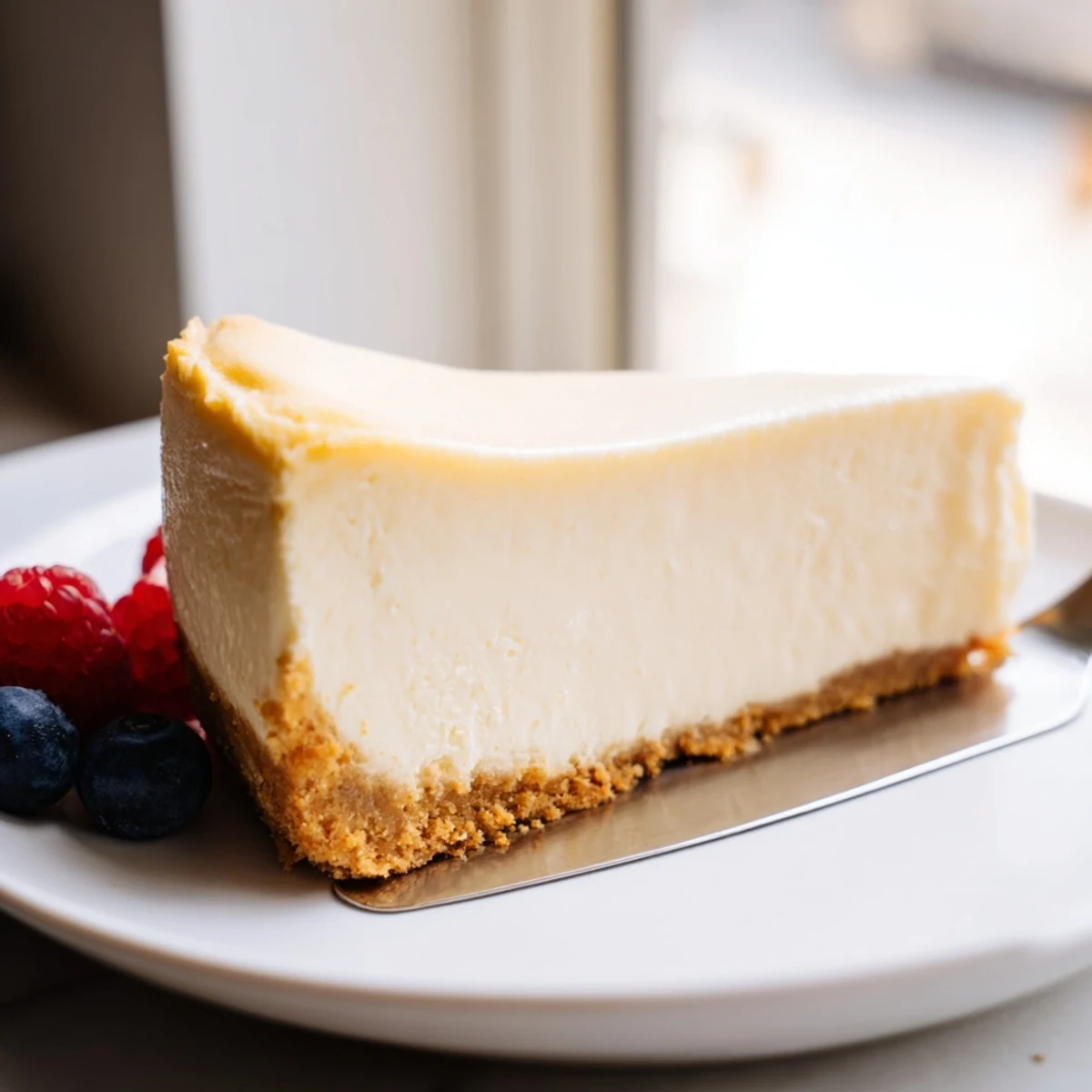
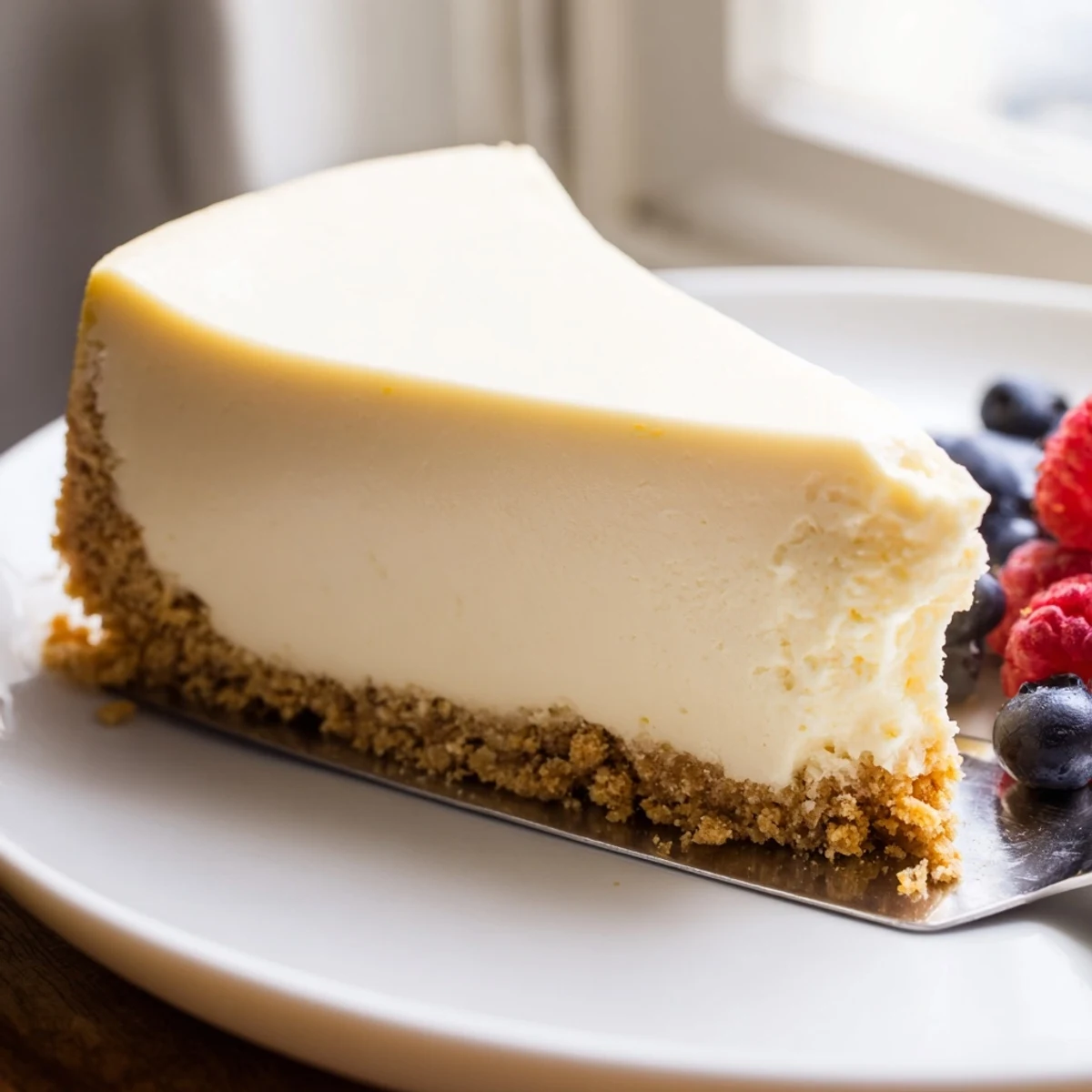
A crown of fresh berries turns a plain slice into something dinner-party worthy, and a drizzle of warm fruit compote over the sour cream topping adds a jewel-toned gloss that photographs beautifully. For something more indulgent, a thin stream of chocolate sauce or a handful of toasted pecans never disappoints.
Making It Your Own
Once you trust the base recipe this cheesecake becomes a canvas for whatever flavors you are craving. Swap the graham crackers for chocolate sandwich cookies, add a swirl of caramel into the filling, or steep the cream with lavender for a floral twist. The structure is solid enough to handle your creativity.
- Gluten-free cookies work perfectly for the crust if you need to accommodate dietary restrictions.
- A pinch of espresso powder in the filling adds depth without tasting like coffee.
- Always taste your cheesecake cold before deciding it needs anything extra, because chilling transforms the flavor entirely.
 Pin it
 Every cheesecake I make still carries a little of that first Tuesday night victory in it, and I hope this one becomes a staple in your kitchen too. Share it with someone who thinks homemade cheesecake is too ambitious, and watch them change their mind.
Recipe FAQs
- → Why did my cheesecake crack on top?
-
Cracks usually form from overmixing the batter, which incorporates too much air, or from sudden temperature changes. Beat ingredients only until just combined, bake at a low temperature, and cool gradually in the oven with the door cracked open.
- → Can I make this without a springform pan?
-
A springform pan is strongly recommended for easy removal, but you can use a deep cake pan lined with parchment paper with overhanging edges. Allow the cheesecake to chill fully before attempting to lift it out carefully.
- → How long should I chill the cheesecake before serving?
-
Plan for at least 6 hours of chilling time, though overnight is ideal. This extended rest allows the filling to set completely and develop the dense, creamy texture that makes cheesecake so irresistible.
- → Can I freeze leftover cheesecake?
-
Absolutely. Wrap individual slices tightly in plastic wrap, then place in an airtight container or freezer bag. Frozen cheesecake keeps well for up to 2 months. Thaw overnight in the refrigerator before serving.
- → What toppings go well with this cheesecake?
-
Fresh berries, strawberry or cherry compote, chocolate ganache, caramel sauce, or a simple dusting of powdered sugar all pair wonderfully. The optional sour cream topping in this version adds a lovely tangy contrast to the richness.
- → Do I need to use room temperature ingredients?
-
Yes, this is essential. Cold cream cheese will leave lumps in the batter, and cold eggs can cause the mixture to curdle. Let the cream cheese, eggs, and sour cream sit out for about 30 minutes before starting.