
 Pin it
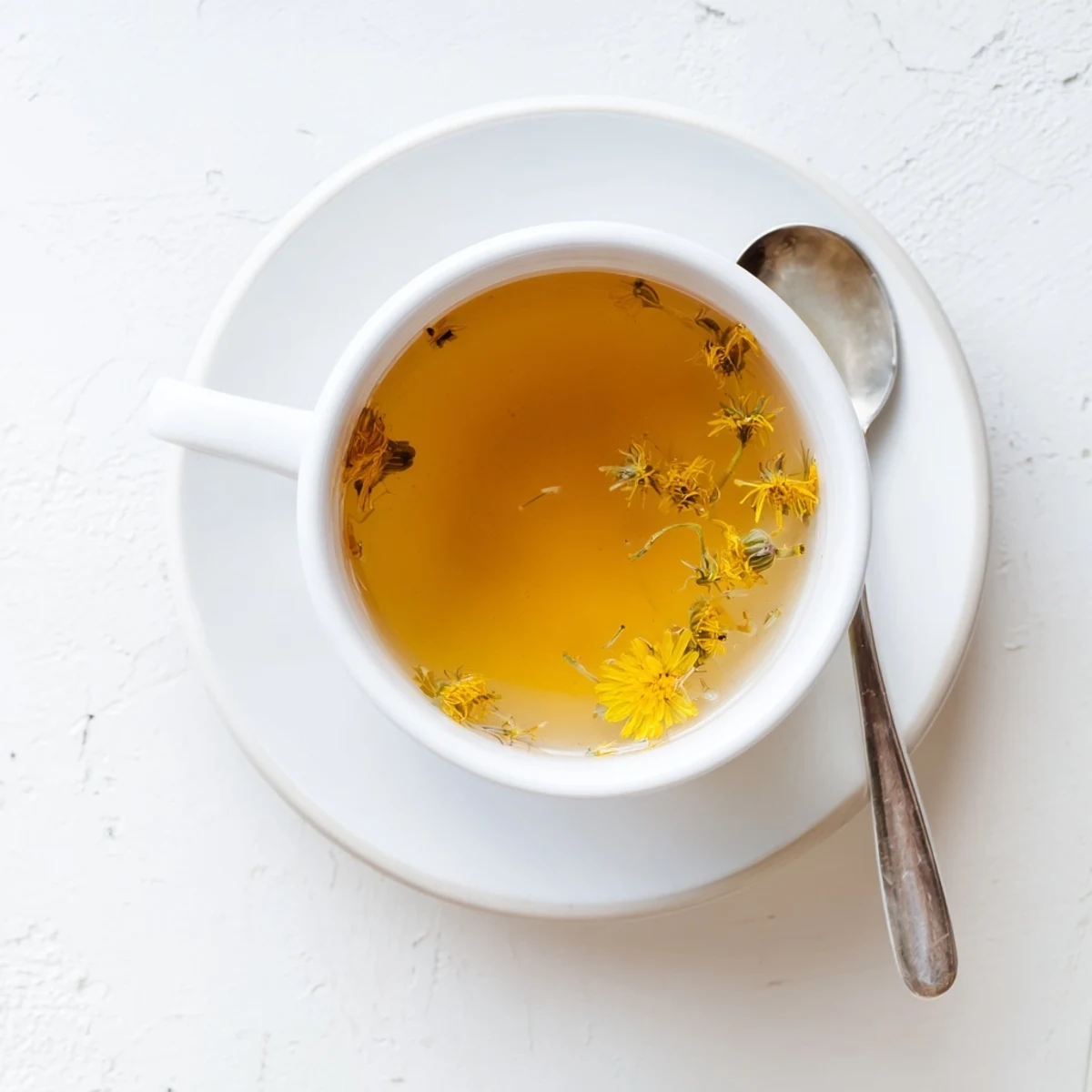
 Experience the gentle, earthy qualities of handcrafted dandelion infusion. This traditional European beverage combines fresh petals and leaves with pure water to create a naturally cleansing drink. Perfect for those seeking digestive support or a moment of herbal wellness. The preparation involves simple steeping techniques that preserve the plant's beneficial properties while delivering a smooth, mellow flavor profile.
The first time I tried dandelion tea, I was skeptical—after all, I'd spent years trying to eradicate these sunny invaders from my lawn. But my grandmother, who grew up foraging in the Italian countryside, insisted I was missing out on something special. She brewed a cup right there in my kitchen, the steam carrying this surprising green, slightly floral aroma that made me pause. Now I actually find myself checking the backyard with a different kind of curiosity.
Last spring, I made this for my friend Sarah who was feeling completely overwhelmed by work deadlines. We sat on my back porch watching the very dandelions we'd just harvested sway in the breeze, and she took that first slow sip and actually closed her eyes for a full ten seconds. Something about knowing exactly where your food comes from—even the humblest weed—changes how you experience it.
Ingredients
- Dandelions: Fresh petals and leaves bring the brightest flavor, but dried work perfectly when foraging season has passed
- Filtered water: Clean water matters since theres nothing masking the pure plant taste
- Honey or maple syrup: Just a touch rounds out the natural bitterness if you prefer a sweeter cup
- Lemon: A single slice adds lovely brightness that complements the earthy notes beautifully
Instructions
- Prepare your harvest:
- Give those fresh petals and leaves a thorough rinse under cold water, checking carefully for any tiny hitchhikers
- Heat the water:
- Bring your filtered water to a rolling boil in a small saucepan or kettle
- Combine and steep:
- Place the dandelions in your teapot and pour the hot water over them, then cover and let them work their magic for 8 to 10 minutes
- Strain and serve:
- Pour through a fine mesh strainer into cups, then add honey or lemon if the mood strikes you
 Pin it
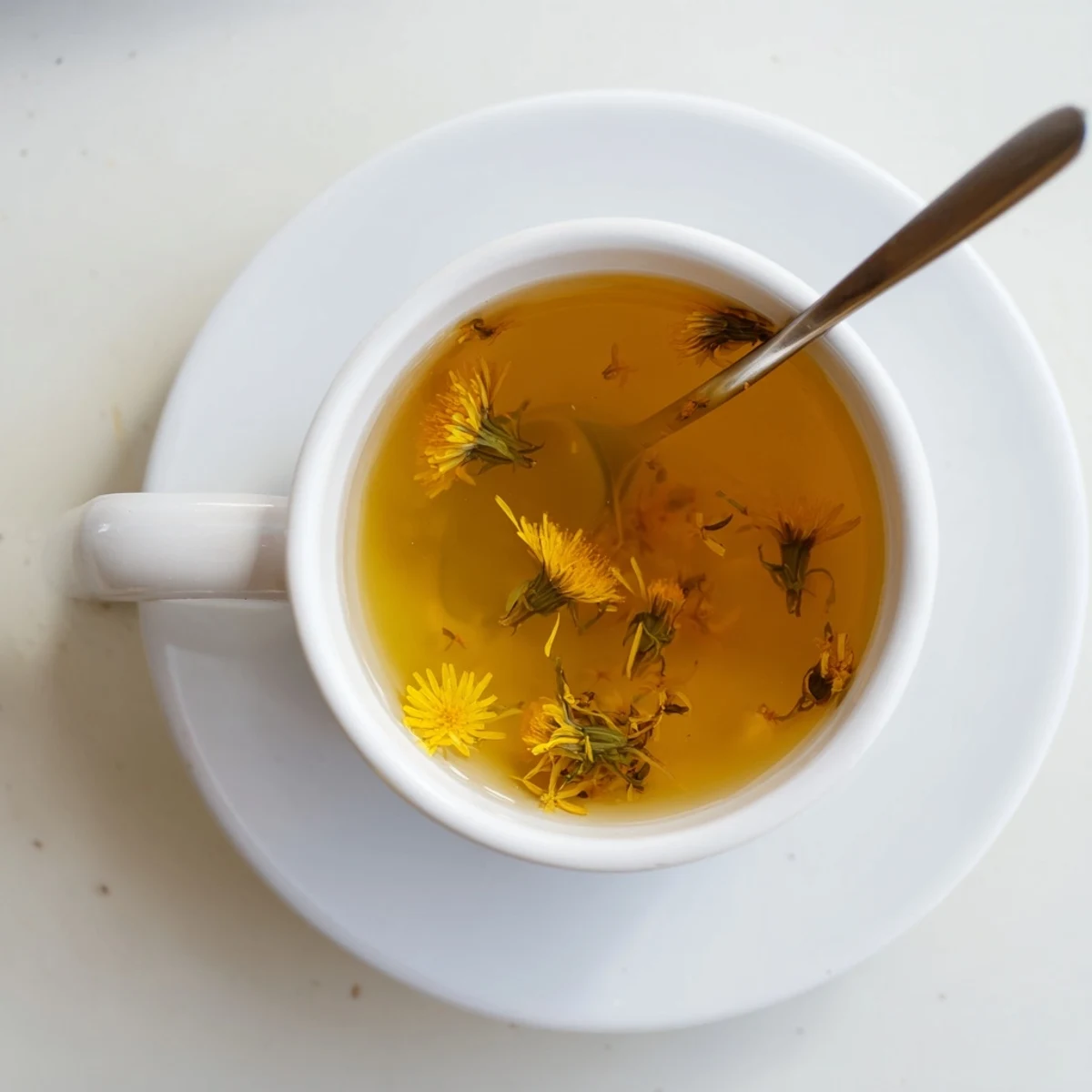
 There's something almost meditative about the whole process—carefully selecting the brightest flowers, rinsing each petal, watching the water turn a gentle golden green as it steeps. My kids now help me gather them, turning what used to be yard work into a tiny treasure hunt we do together.
Finding The Best Dandelions
Look for flowers growing in open, sunny areas where they've had plenty of light to develop their full flavor. I've noticed that plants from shaded spots tend to be more bitter, while those basking in full sun produce a sweeter, more delicate tea. Early morning harvests, after the dew has dried but before the heat of the day, give the most flavorful results.
Storage And Preservation
If you find yourself with an abundant harvest, dandelions dry beautifully for future use. Spread the cleaned flowers and leaves on a baking sheet and let them air dry in a cool, dark spot for about a week, or use a dehydrator on the lowest setting. Store your dried treasure in a glass jar away from light and they'll keep for months, letting you enjoy a taste of spring even in the depths of winter.
Serving Suggestions
This tea is lovely on its own, but I've discovered it pairs beautifully with a drizzle of local honey and a sprig of fresh mint from the garden. On colder days, try adding a cinnamon stick while it steeps for warmth and depth.
- Roasted dandelion root makes a fantastic coffee substitute if you want something more robust
- Chill any leftover tea and serve over ice with a splash of sparkling water
- Blend a little ginger into the steeping water for an extra digestive boost
 Pin it
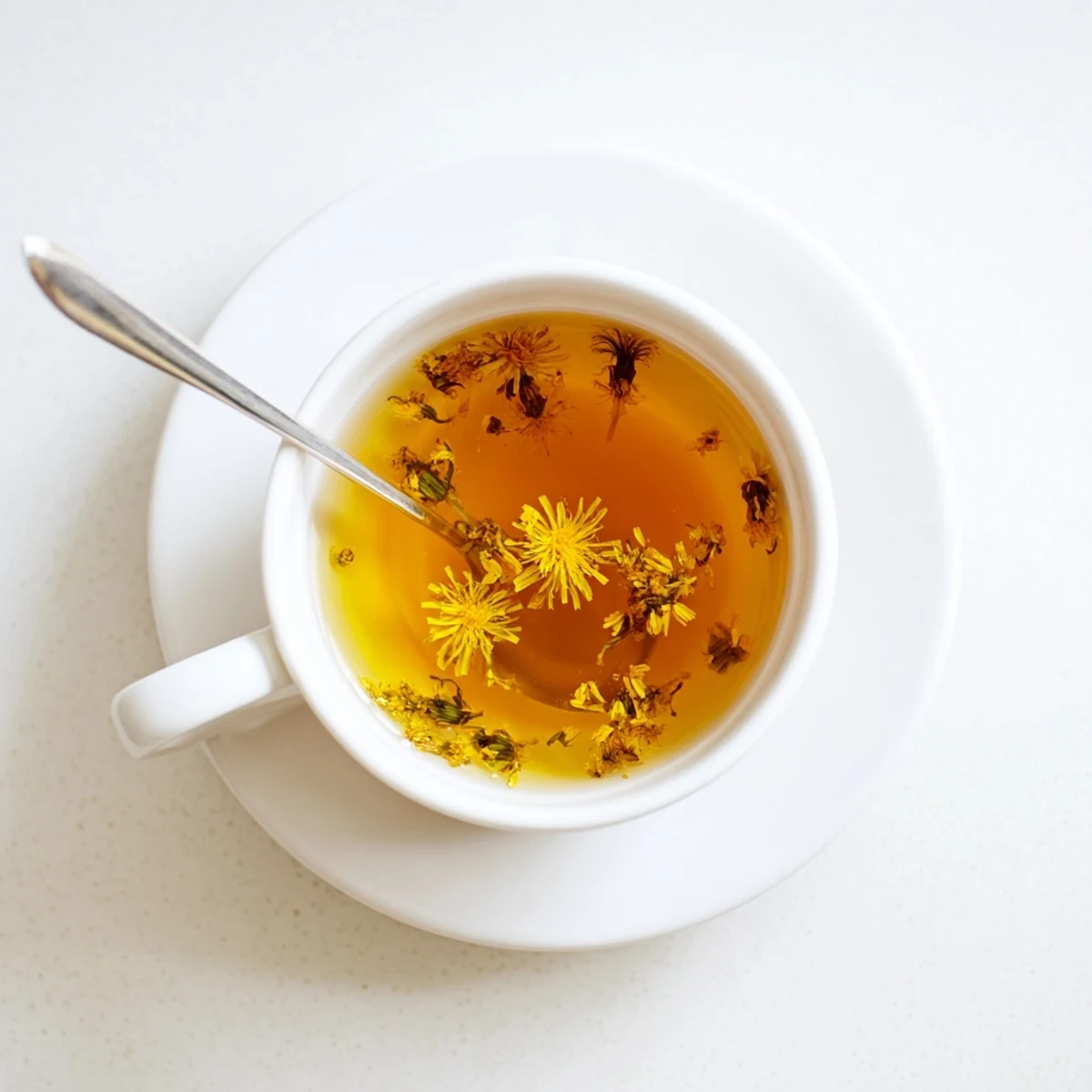
 Sometimes the simplest ingredients, gathered with care and prepared with intention, become the most nourishing of all. Here's to seeing the extraordinary in what we once overlooked.
Recipe FAQs
- → What does dandelion tea taste like?
-
Dandelion tea offers a light, earthy flavor profile with subtle herbal undertones. The leaves provide a mild bitterness similar to arugula, while the flowers add delicate floral notes. The overall taste is reminiscent of gentle green tea with a naturally smooth finish.
- → How long should I steep dandelion tea?
-
Allow the dandelion petals and leaves to steep for 8–10 minutes in hot water. This duration extracts the beneficial compounds and flavors fully without becoming overly bitter. Covering during steeping helps retain the volatile oils and therapeutic properties.
- → Can I use dried dandelion instead of fresh?
-
Absolutely. Dried dandelion works beautifully and maintains the beneficial properties. Use 2 tablespoons of dried material as a substitute for 2 cups of fresh. The flavor may be slightly more concentrated, so adjust steeping time to your taste preference.
- → What are the health benefits of drinking dandelion tea?
-
Dandelion tea is traditionally valued for its natural detoxifying properties and digestive support. The leaves contain beneficial compounds that may help reduce water retention and support liver function. Many people enjoy it as a gentle morning beverage or after meals to aid digestion.
- → Is it safe to harvest wild dandelions for tea?
-
Yes, with proper precautions. Ensure you harvest from areas free of pesticides, herbicides, and road pollution. Avoid areas near treated lawns or industrial sites. Always positively identify the plant and wash thoroughly. If foraging isn't possible, organic dried dandelion is readily available.
- → Can I make dandelion tea with roots instead of leaves?
-
Certainly. Roasted dandelion roots create a darker, richer infusion with coffee-like qualities. The root preparation brings a deeper, earthier flavor and different beneficial compounds. You can also combine roots with leaves and petals for a full-spectrum herbal blend.